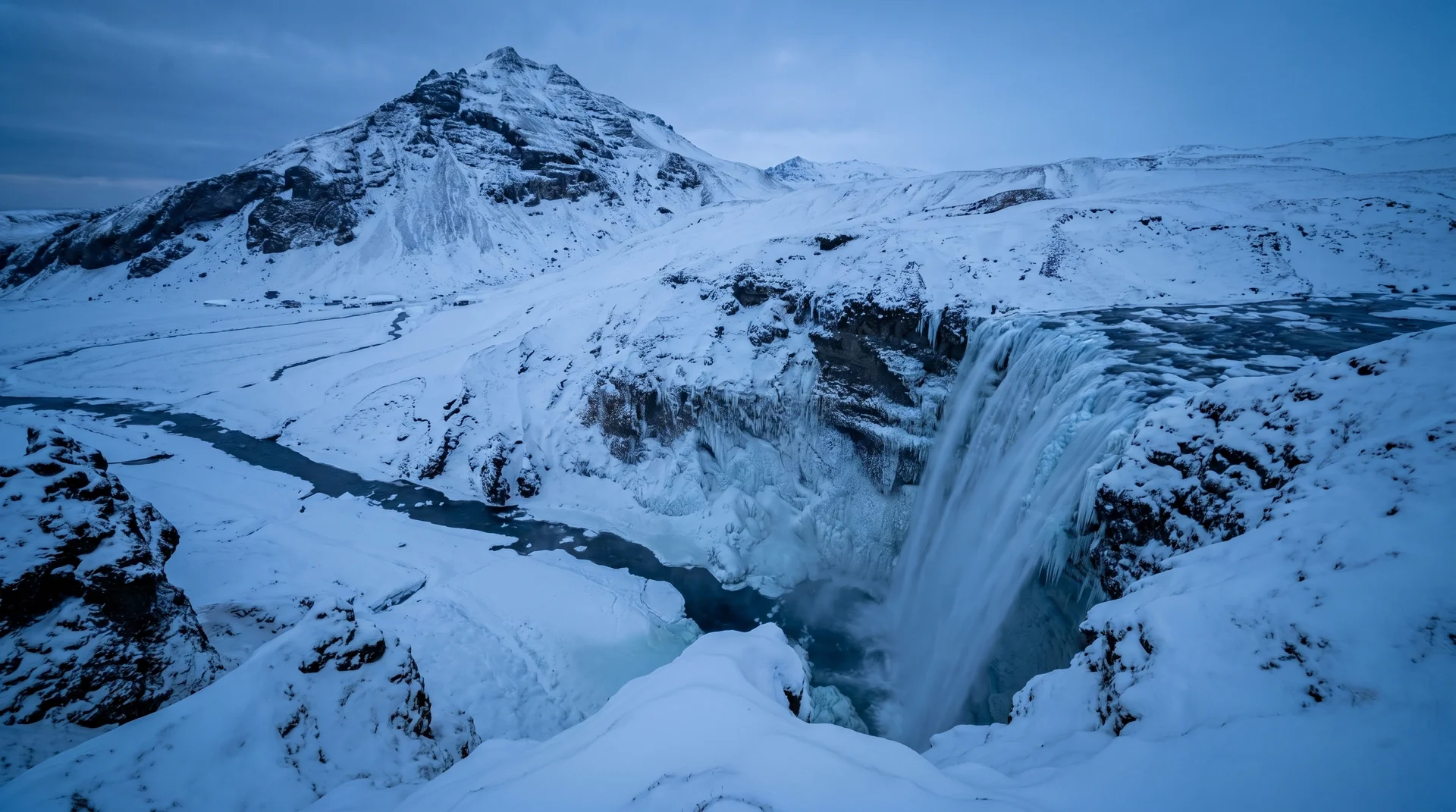
Winter Iceland
Short days, dramatic storms, aurora over icebergs, hot pools that exhale steam at -10°C. Iceland in winter is the version most travellers underestimate.
What this experience actually feels like
Four hours of usable daylight. A windscreen that ices over in two minutes. The lobby of a guesthouse smelling of wool drying near a radiator. You learn the rhythm — soak at noon, drive when light allows, watch the sky after dinner. Winter is when Iceland is most itself: weather-led, slow, the kind of trip that gets quieter as it goes.
The combination of aurora frequency, natural ice caves, and year-round geothermal infrastructure exists nowhere else at this latitude with this much road access.
Winter Iceland is not Norway-cold — coastal temps hover around -2°C to 5°C. The challenge is wind + wet, not extreme cold. A wet 0°C in a 25 m/s gust is harder than dry -15°C.
- —Travelers willing to rearrange around storm forecasts
- —Anyone chasing aurora + ice caves + hot pools in one trip
- —Photographers who want defining conditions over comfort
- —First-time winter drivers in cold conditions
- —Travelers wanting maximum daylight per day
- —Anyone uncomfortable with cancellations on short notice
When this experience is real
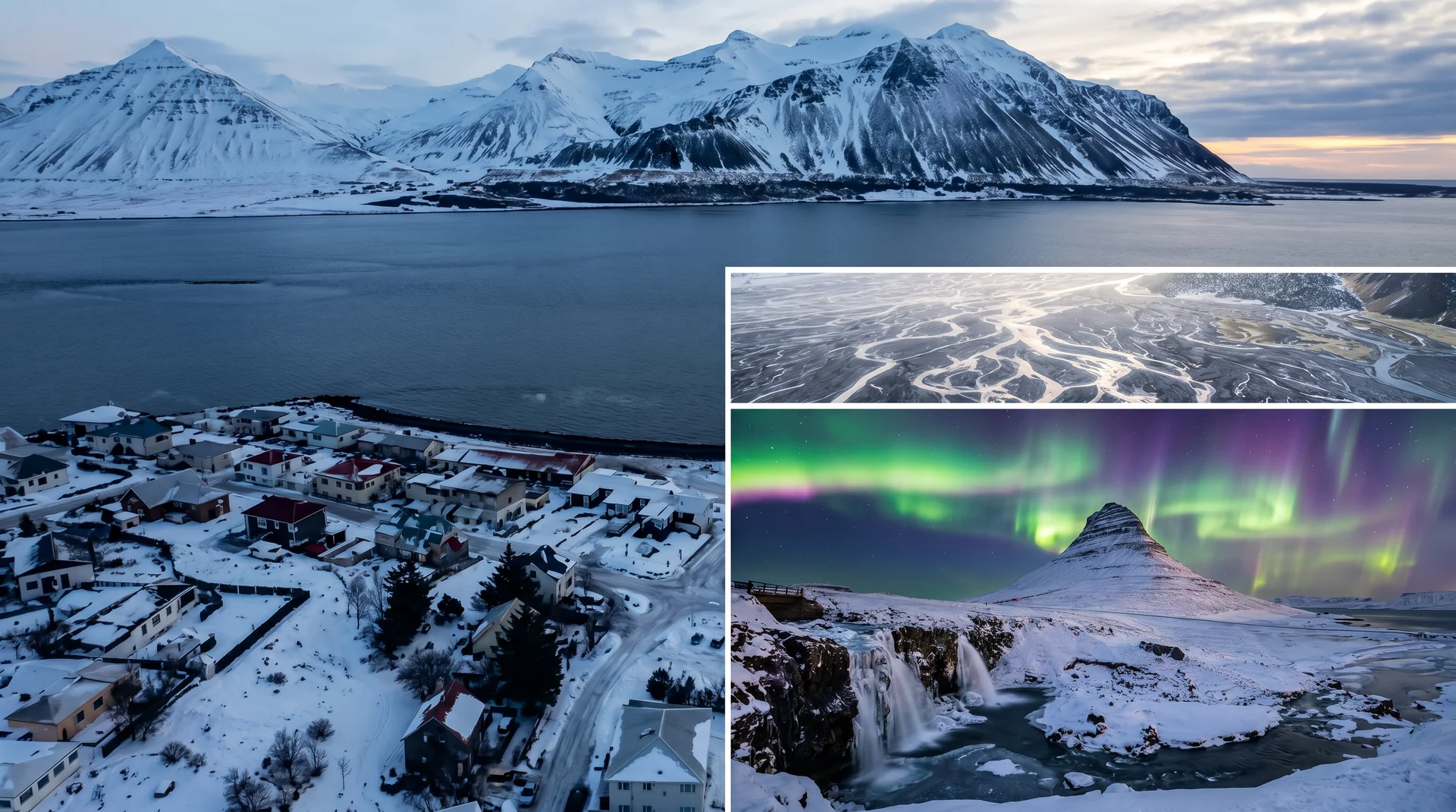
Early winter
Cave season opens, snow building, holiday lights in towns, lower prices.
Deep winter
Maximum aurora frequency, full ice-cave window, hardest weather. Most rewarding.
Late winter
Longer light returning, aurora still strong, snow still everywhere. Best balance.
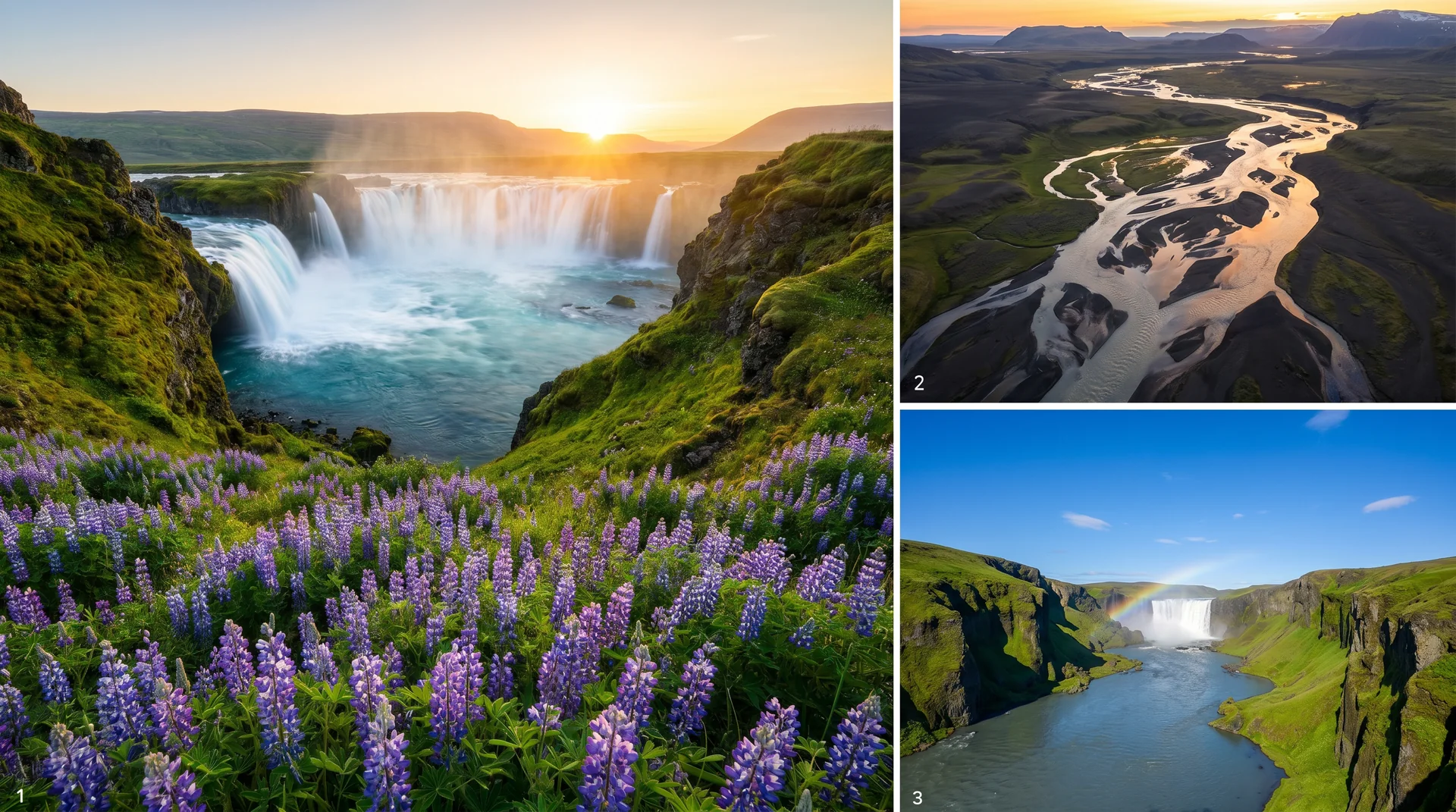
Off-season for winter
Aurora impossible by May; ice caves melt; the 'winter experience' isn't on offer.
Best routes for this experience
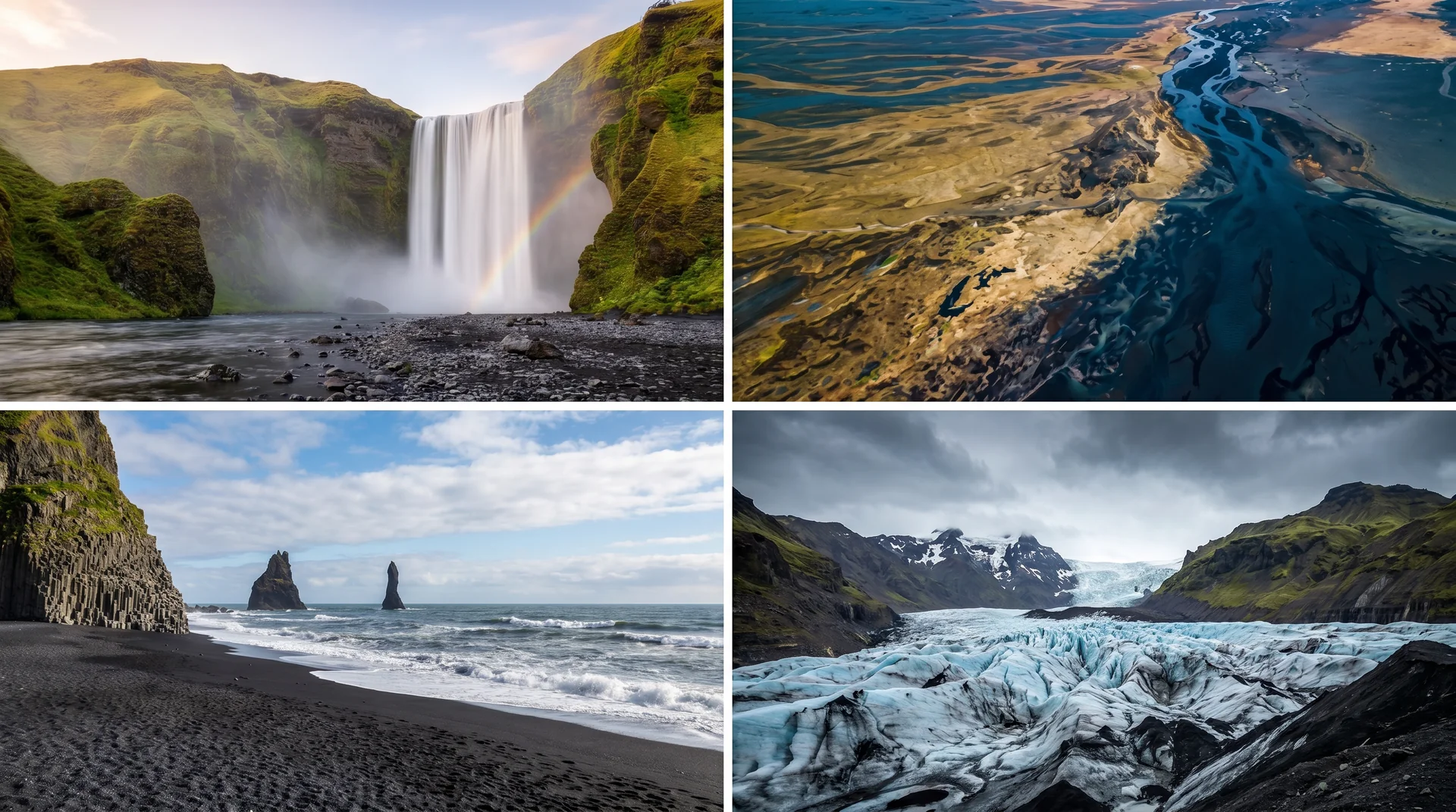
South Coast winter shuttle
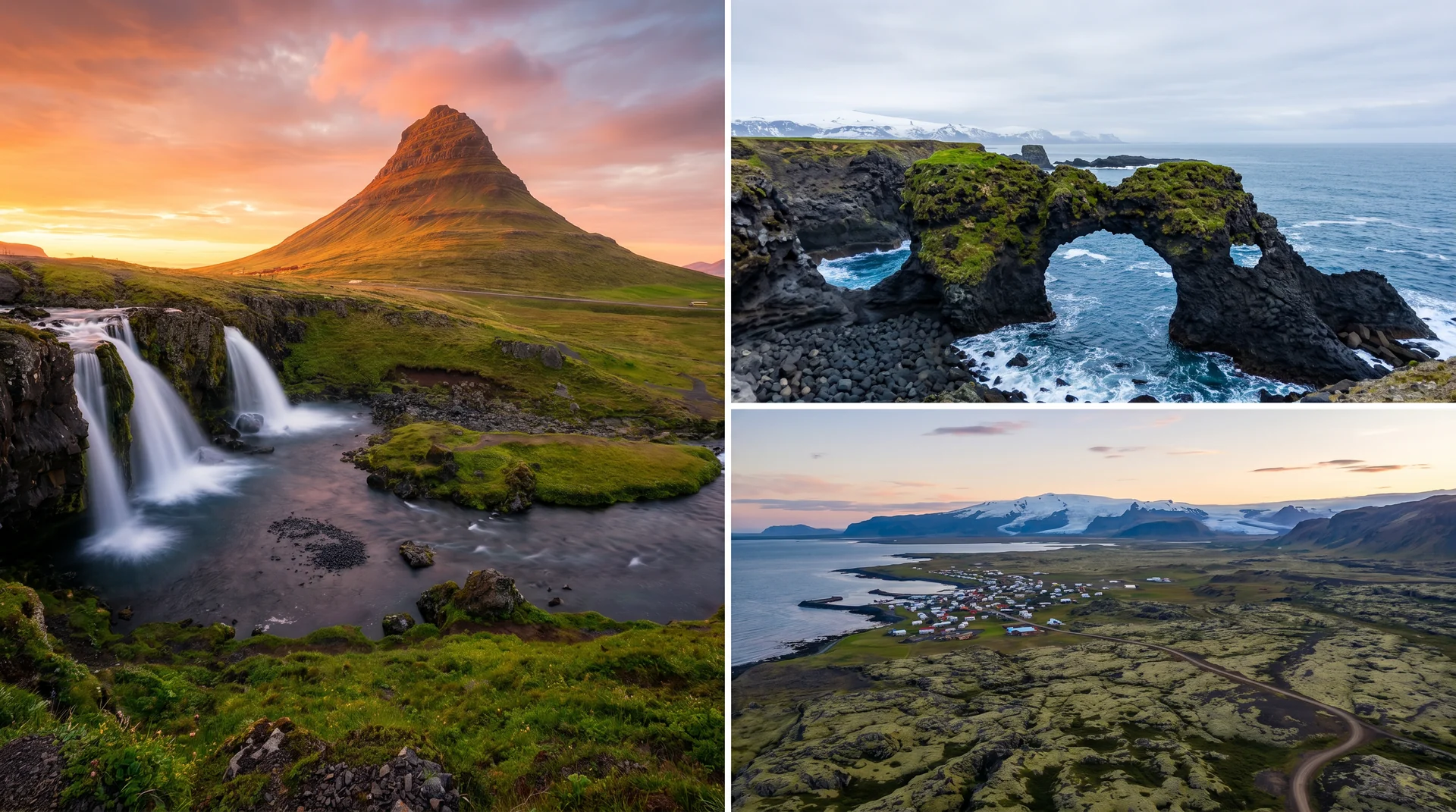
Snæfellsnes winter loop
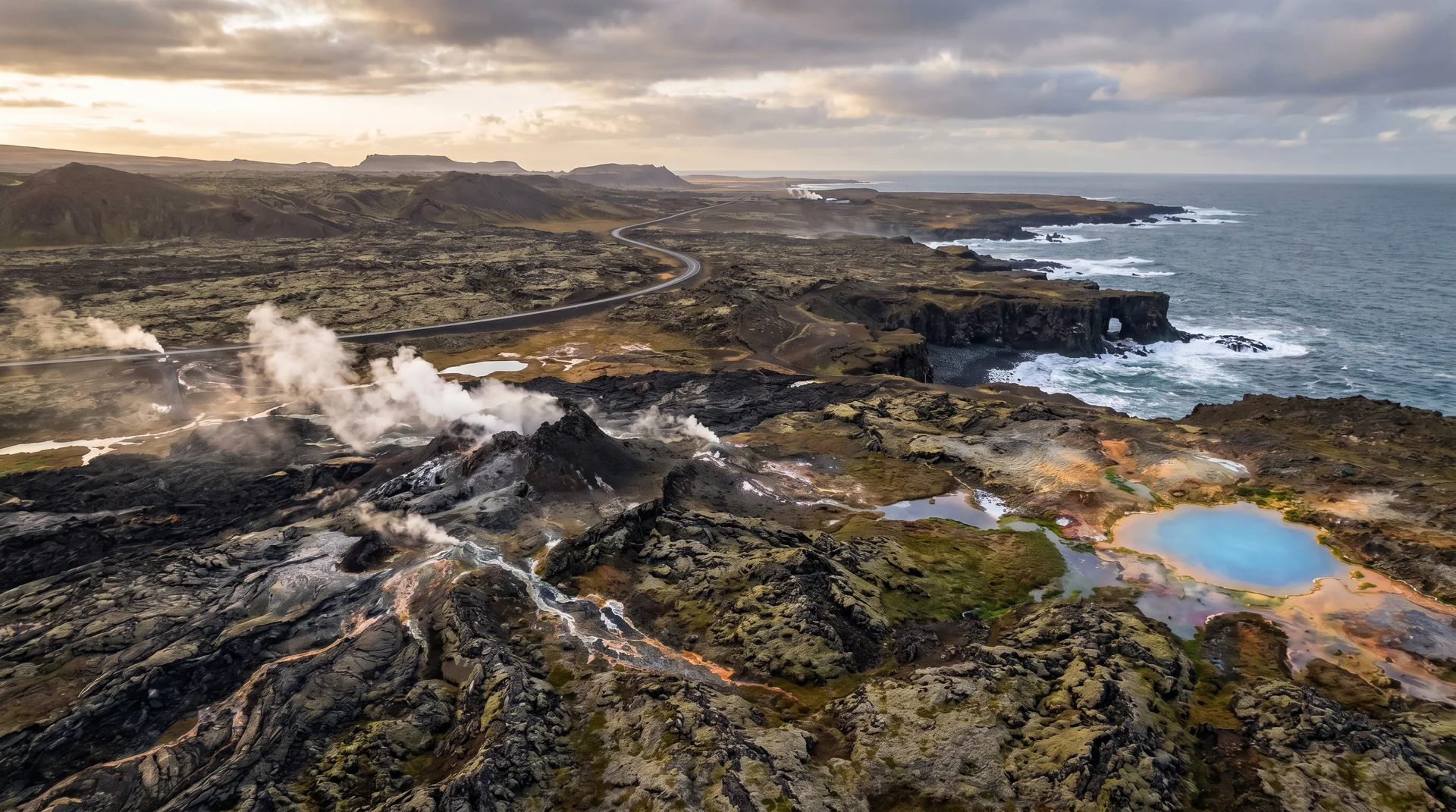
Reykjanes winter base
Where the experience is sharpest
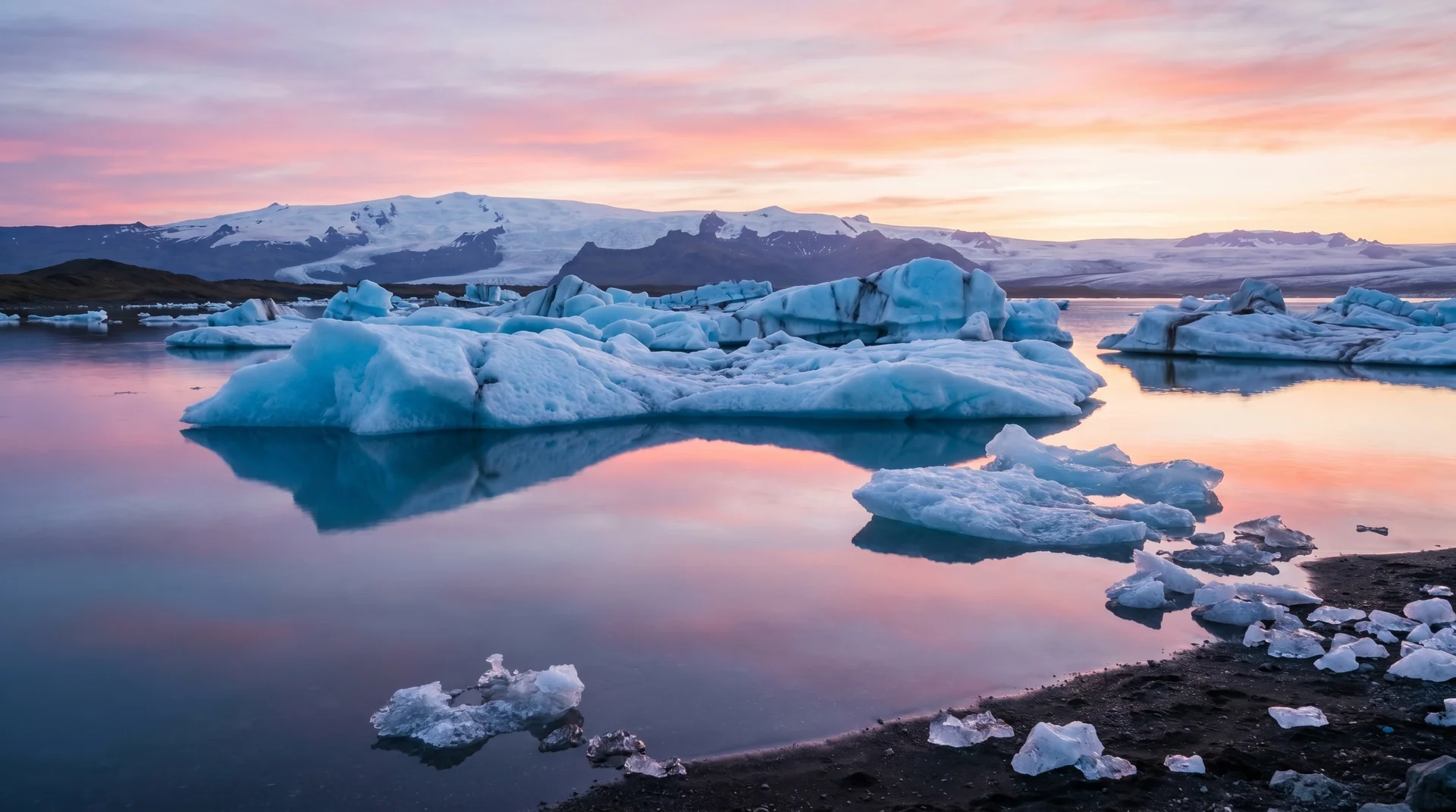
Jökulsárlón
Icebergs + Diamond Beach + ice-cave departures all in one anchor location.
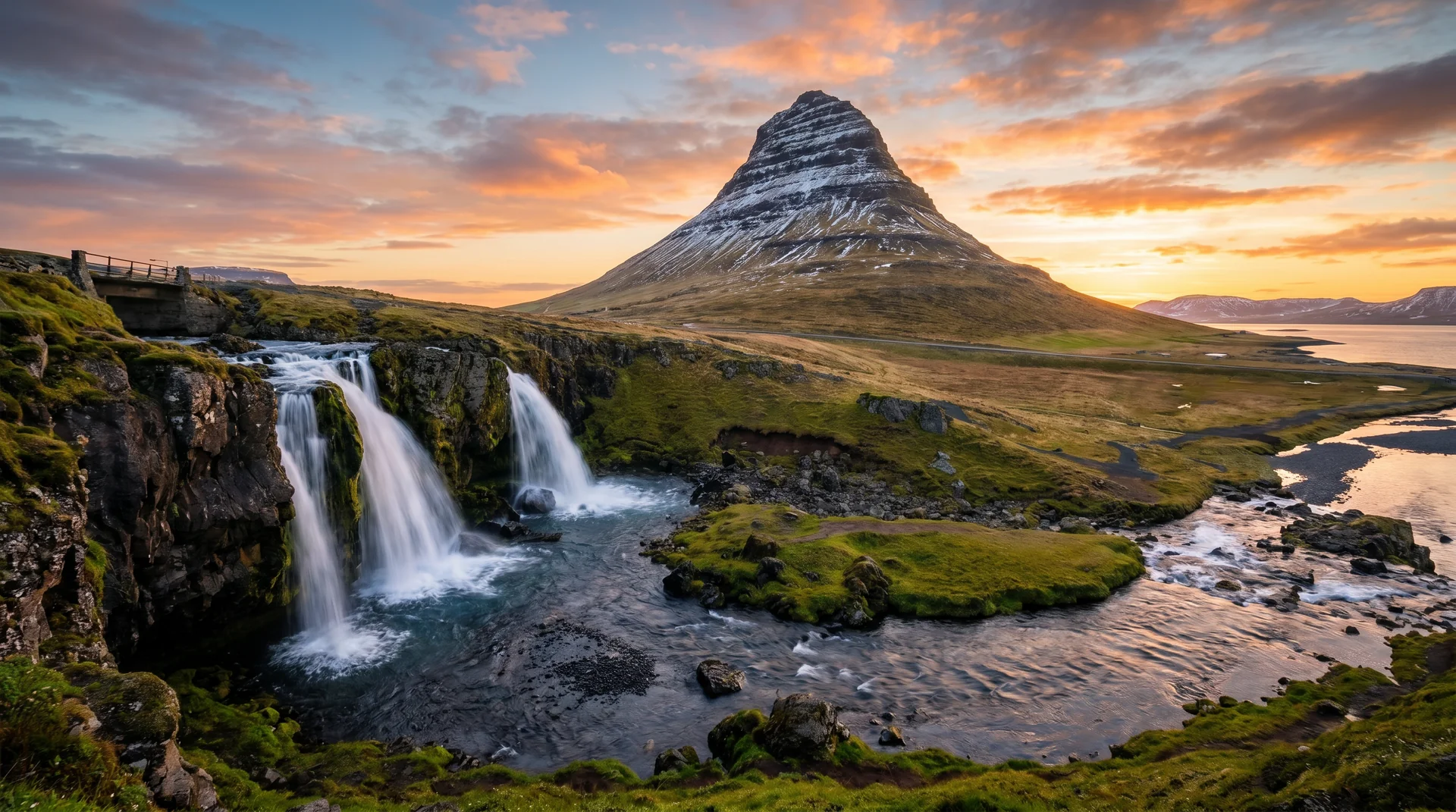
Kirkjufell
Aurora foreground that has launched a thousand photographers' careers. Worth the crowd.
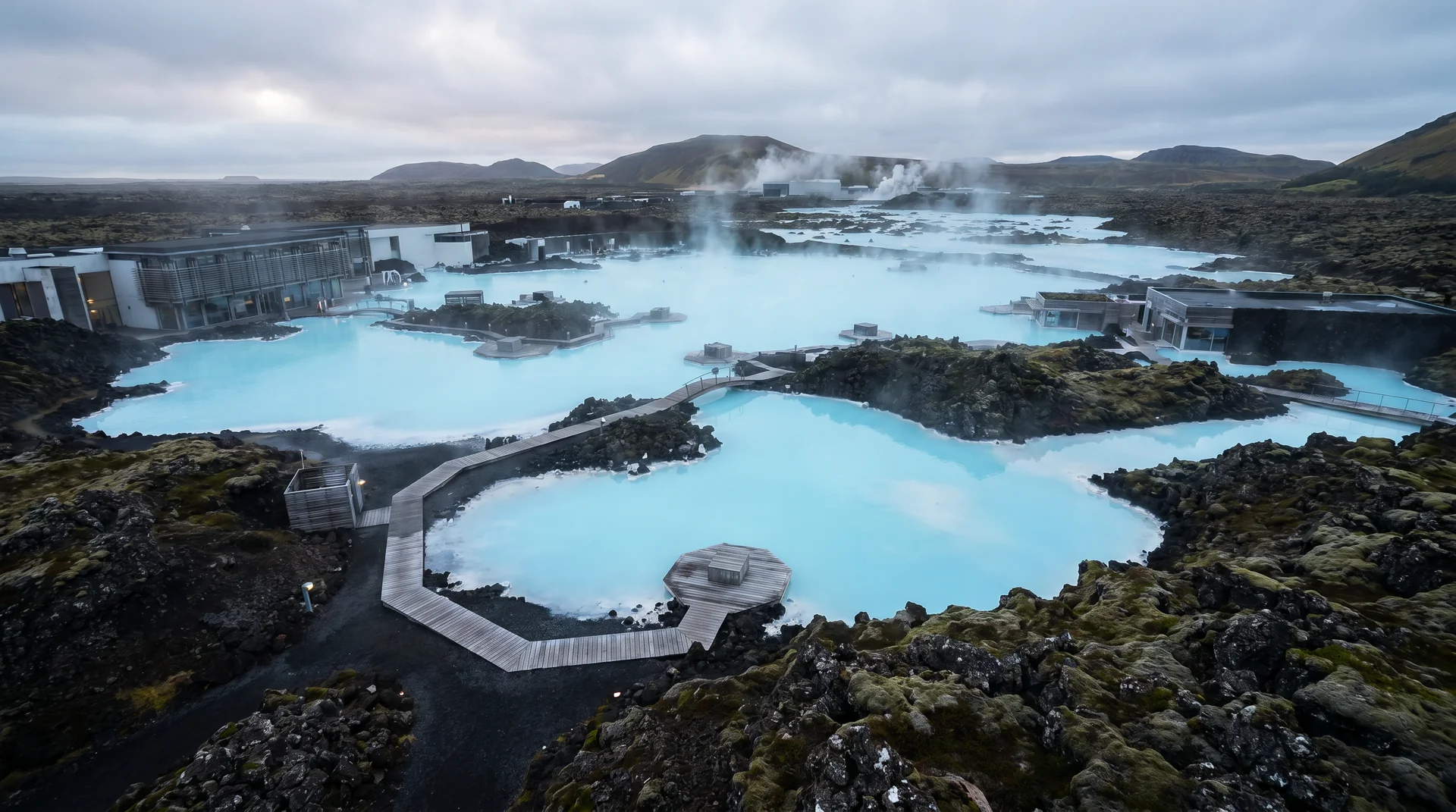
Blue Lagoon
The thermal contrast of soaking in 38°C while snow falls is the winter Iceland cliché — and it's earned.
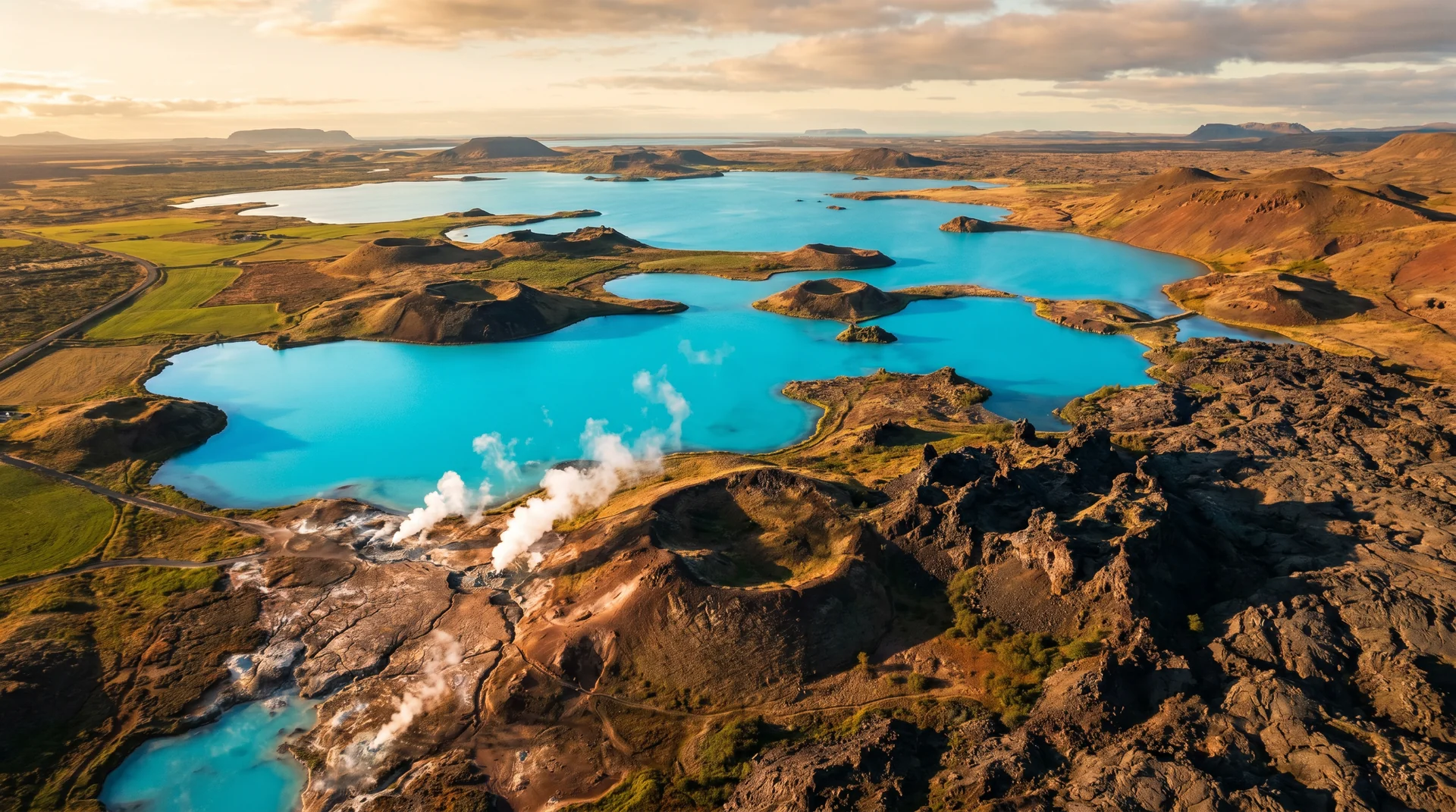
Mývatn
Frozen lake + nature baths + clearest northern skies. Long drive worth it for 3+ nights.
What can go wrong, plainly stated
Wind, not cold, is the limiter
Coastal winter temps are mild. A 25 m/s gust at 1°C feels colder than dry -15°C and is what closes roads.
Road closures cascade fast
Route 1 can close in segments within an hour. Always have a Plan B base and the road.is map bookmarked.
Daylight is short
December: 4h 7m. Plan drives for the 11:00-15:00 light window; reserve mornings + evenings for indoor or aurora.
Studded tyres are not optional
Standard rentals are summer-only. Winter rentals must have studded tyres — verify on pickup, no exceptions.
What to actually bring
- ·Insulated waterproof shell jacket
- ·Thermal base layers (merino preferred)
- ·Insulated waterproof boots
- ·Touchscreen-friendly gloves under heavier outers
- ·Window scraper + de-icer (often missing from rentals)
- ·Microfibre cloths for inside-glass fog
- ·Emergency snacks + water for storm pull-overs
- ·112 Iceland app + offline maps
- ·Spare batteries in inside pocket — cold kills them
- ·Lens cloth (multiple — they freeze damp)
- ·Tripod with rubber feet for ice grip
The terrain that makes it possible.
Locations and routes plotted against weather-sensitive zones, dark-sky regions and seasonal access. Tap anything to open it in the Explorer.
Common mistakes — read this first
Trying to do the full Ring Road in winter
Possible but punishing. 7-10 days of south coast + Mývatn round-trip beats a survival drive around the island.
Underestimating wind warnings
Yellow + orange weather alerts mean stay put. Cars and even campervans get blown over annually.
Renting without studded tyres
Some agencies offer 'all-weather' as a Trojan horse — they aren't legal substitutes in winter. Specifically request 'nagladekk'.
Booking a single aurora night tour
Cloud cover ruins most single nights. Either build 4-5 nights of self-driving flex or accept the tour is a gamble.
Conditions, right now
Related experiences