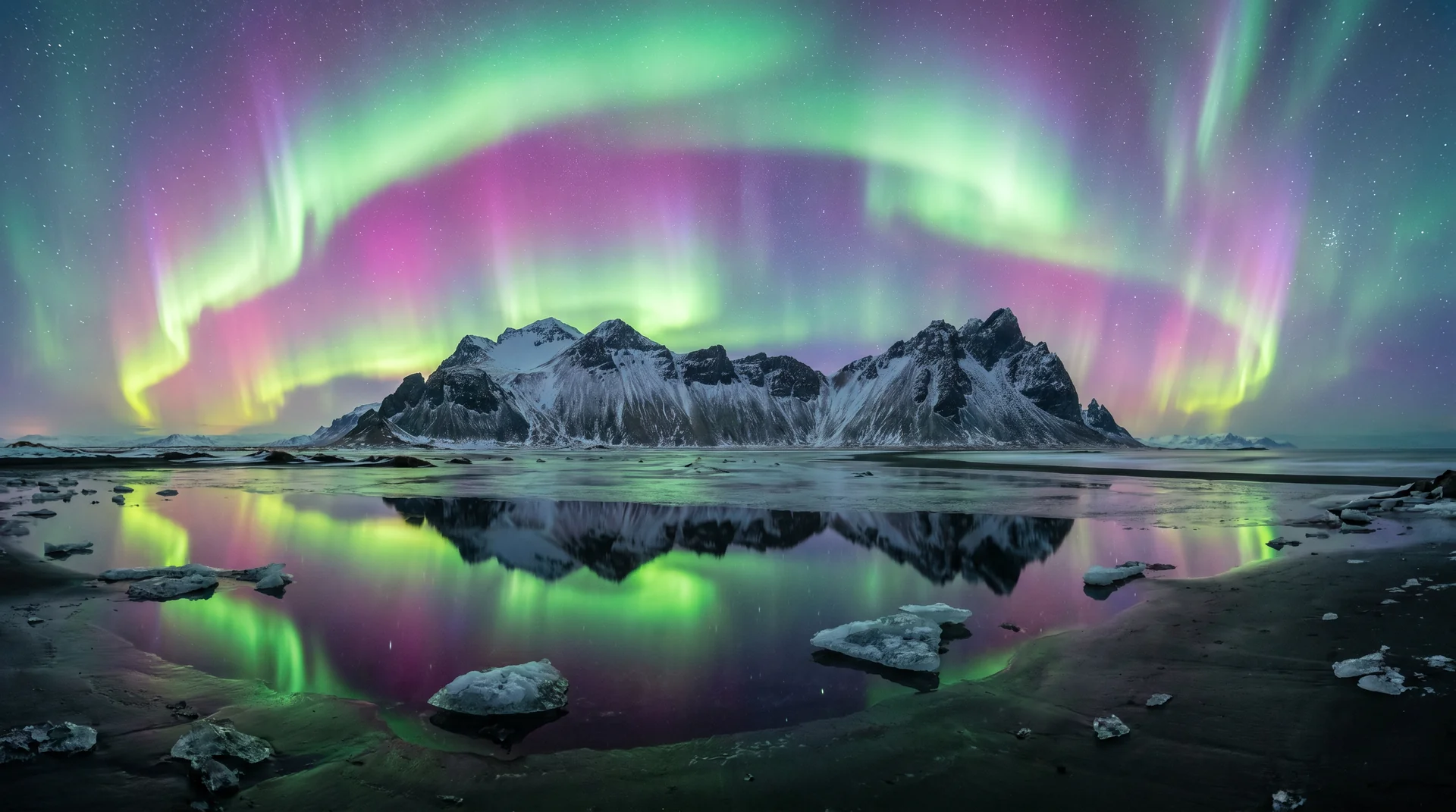
Northern Lights
A patient, weather-dependent pursuit through Iceland's darkest skies — where the night does most of the work, and you do the waiting.
What this experience actually feels like
Most aurora nights are not the postcard. They are a green smudge low on the horizon, a cold wind on a gravel pullout, and a long quiet wait inside a parked car. When the sky opens, it opens fast — vertical curtains, magenta edges, motion you can read in real time. It is less a destination than a habit you practice for a week.
Iceland sits directly under the auroral oval and has paved roads into genuinely dark sky. You can be on a fjord with zero light pollution within an hour of Reykjavík.
Aurora forecasts predict solar activity, not Icelandic weather. A Kp 5 night is useless under cloud. Locals plan by cloud cover first, then aurora strength.
- —Travelers comfortable with night driving
- —Photographers willing to wait
- —Anyone who treats weather as part of the plan
- —Tight 3-night itineraries
- —Travelers who want a guaranteed outcome
- —People who dislike cold standing-around
When this experience is real
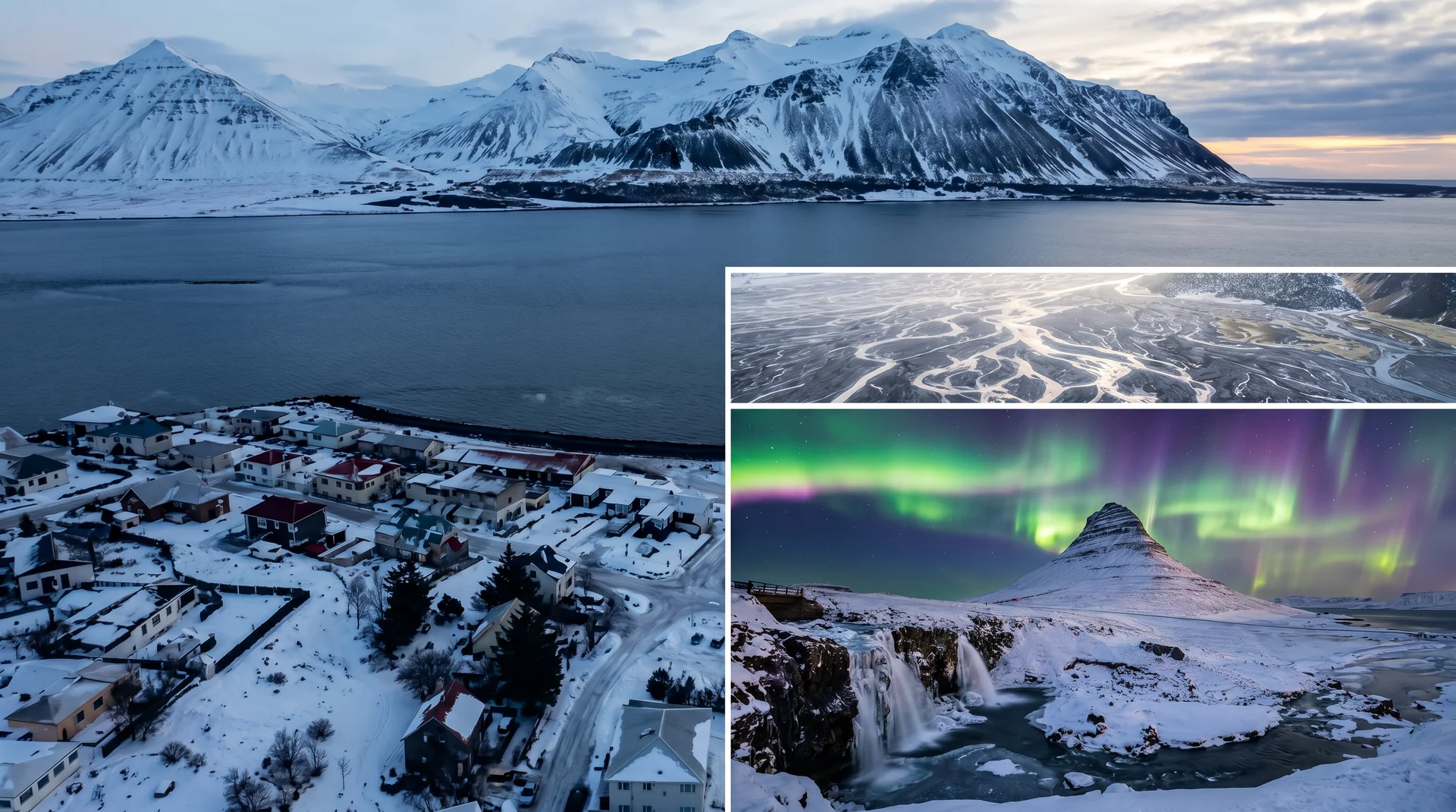
Late autumn
Long dark nights returning, roads still open, lakes reflect.
Deep winter
Darkest skies, highest aurora frequency, hardest weather.
Early spring
Still viable, softer storms, fewer hours of darkness each week.
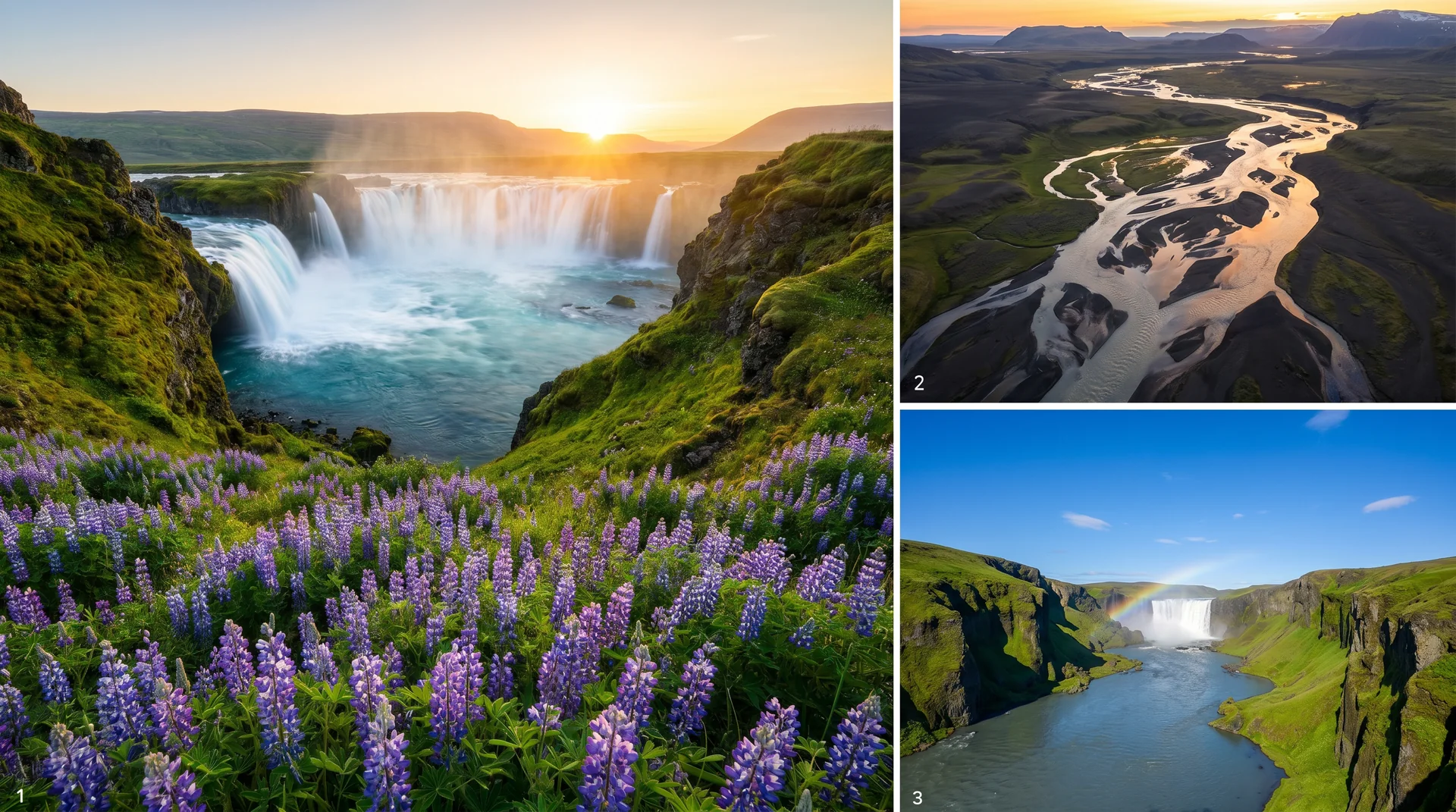
Summer
Midnight sun — astronomically impossible to see aurora.
Best routes for this experience
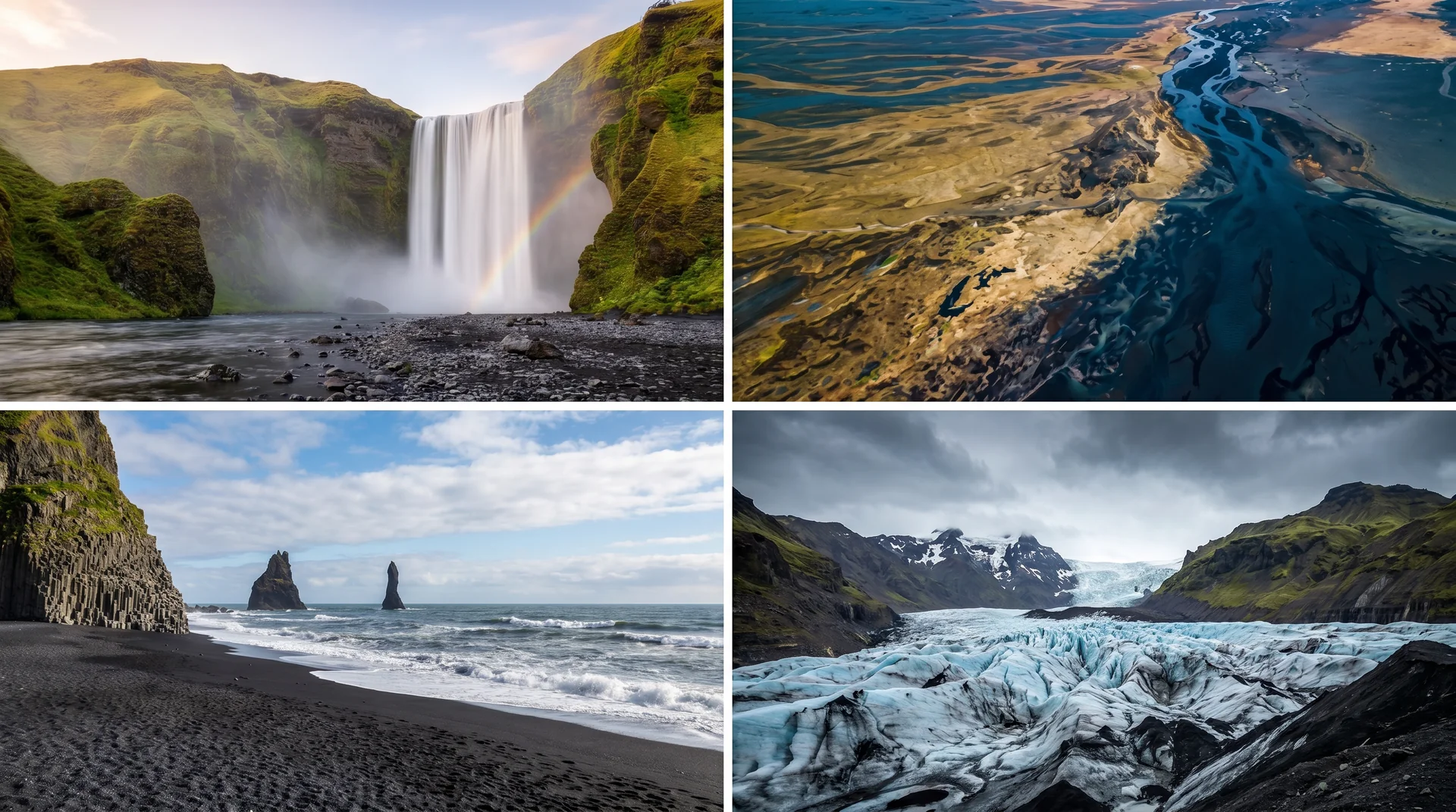
Winter South Coast
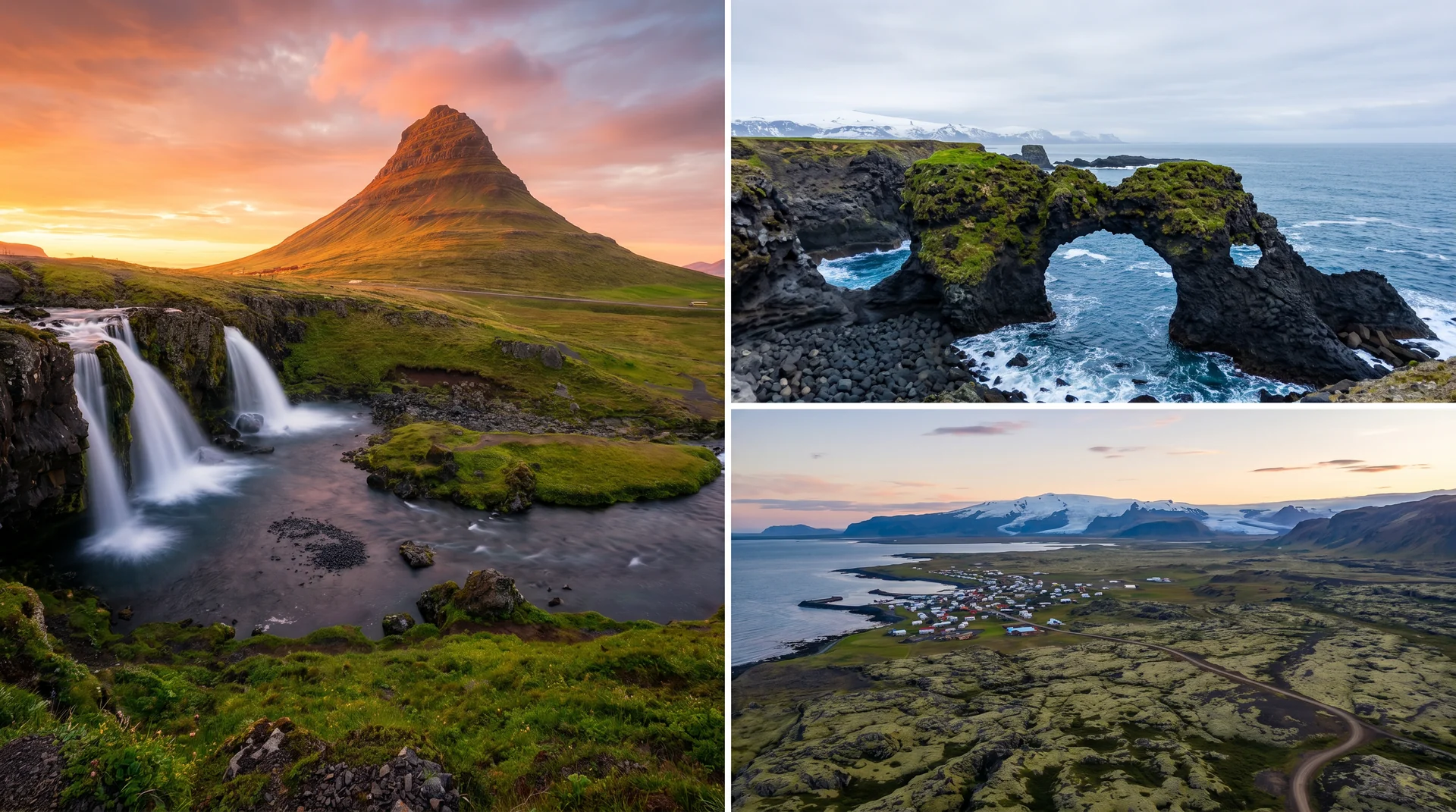
Snæfellsnes Winter Loop
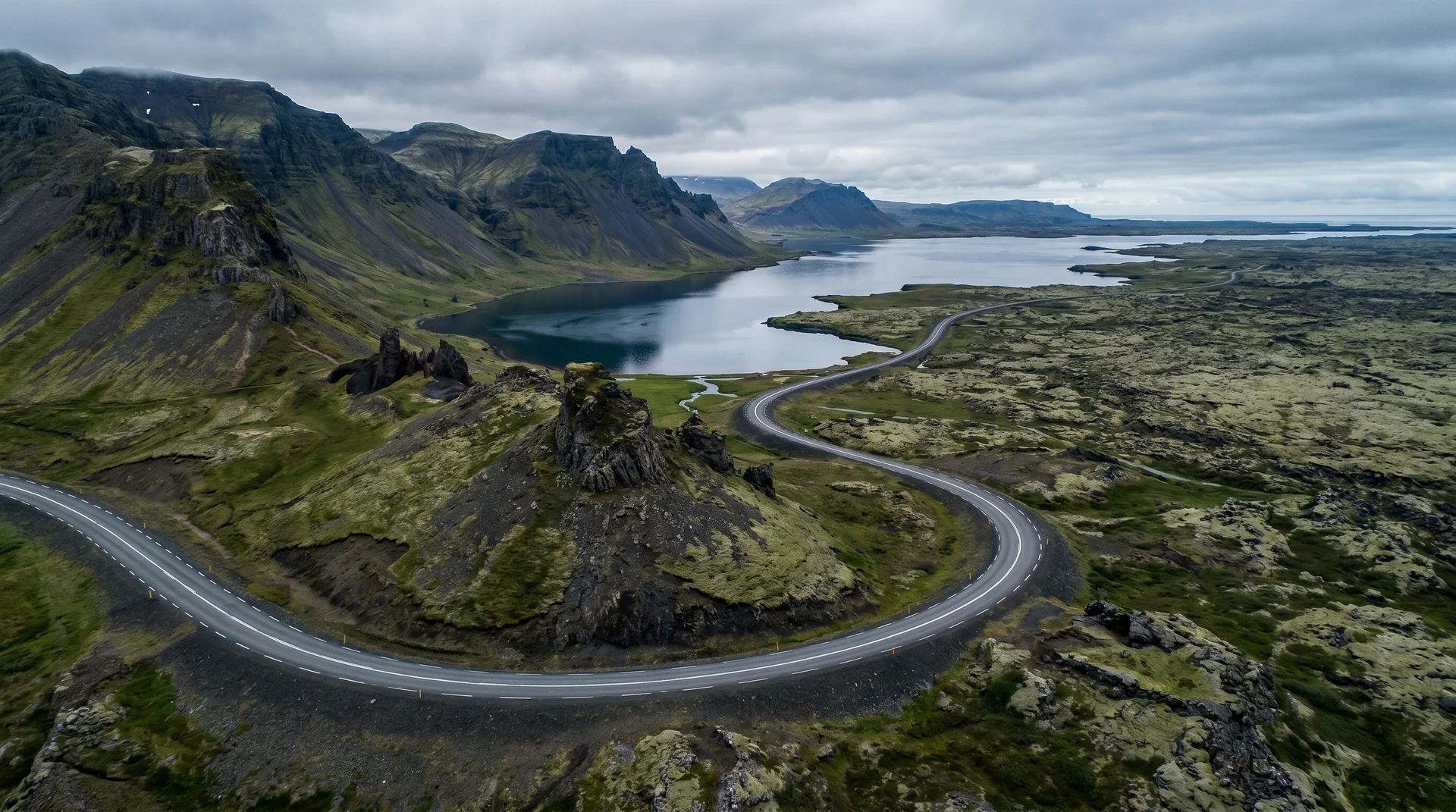
Shoulder-season Ring Road
Where the experience is sharpest
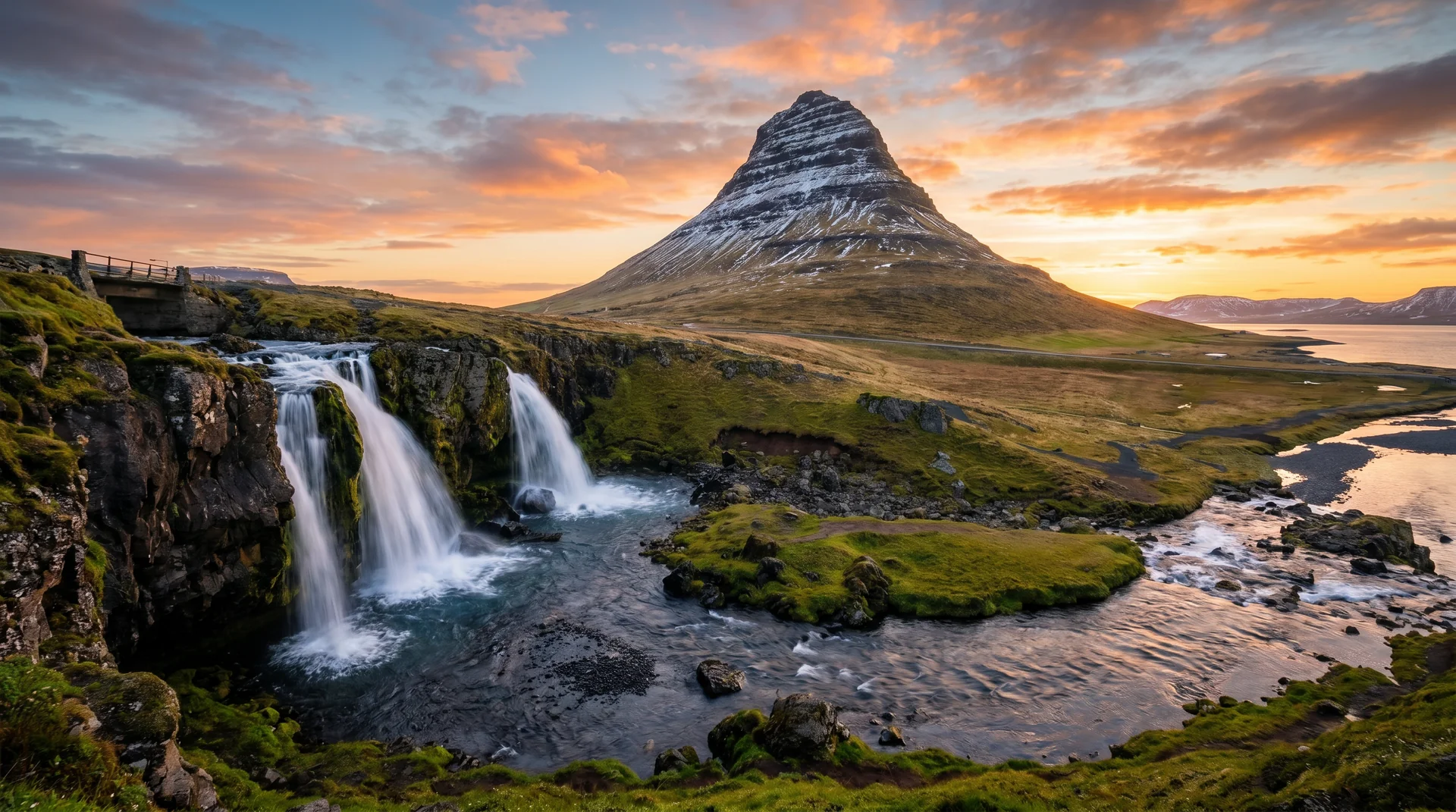
Kirkjufell
Iconic cone with waterfalls — accept the crowd, frame it sideways.
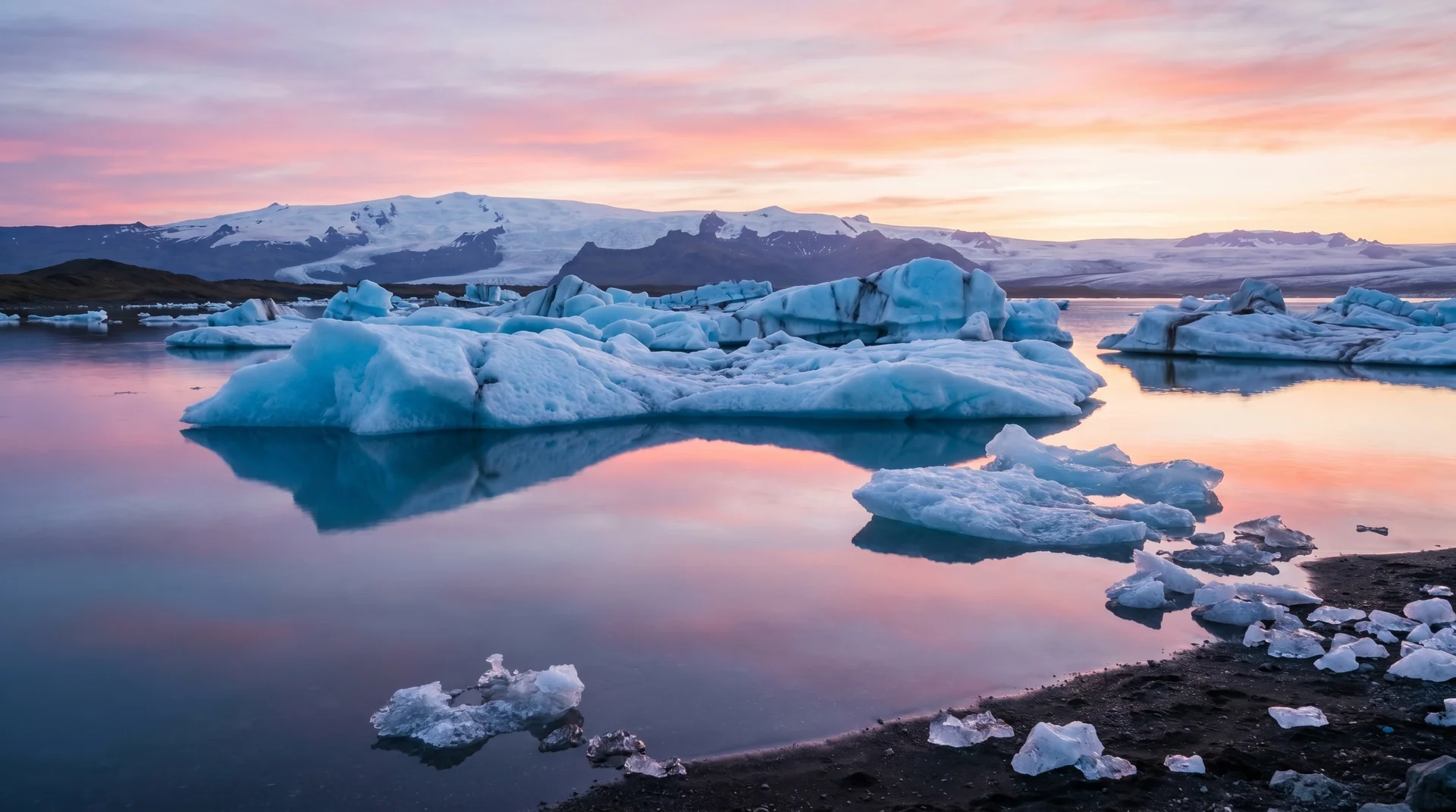
Jökulsárlón
Aurora over drifting icebergs. Long drive; storms often obscure the show.
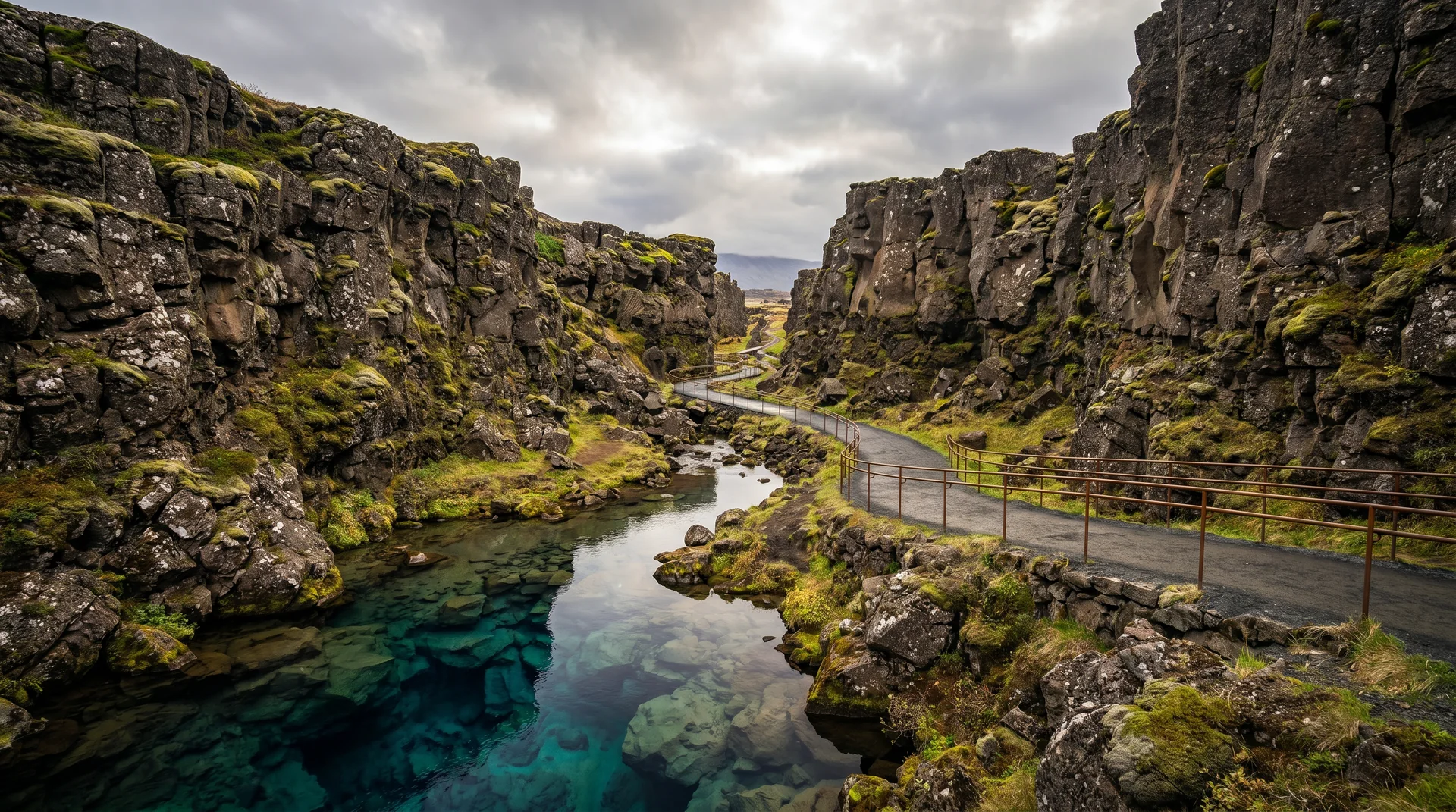
Þingvellir
Within an hour of Reykjavík, surprisingly dark on clear nights.
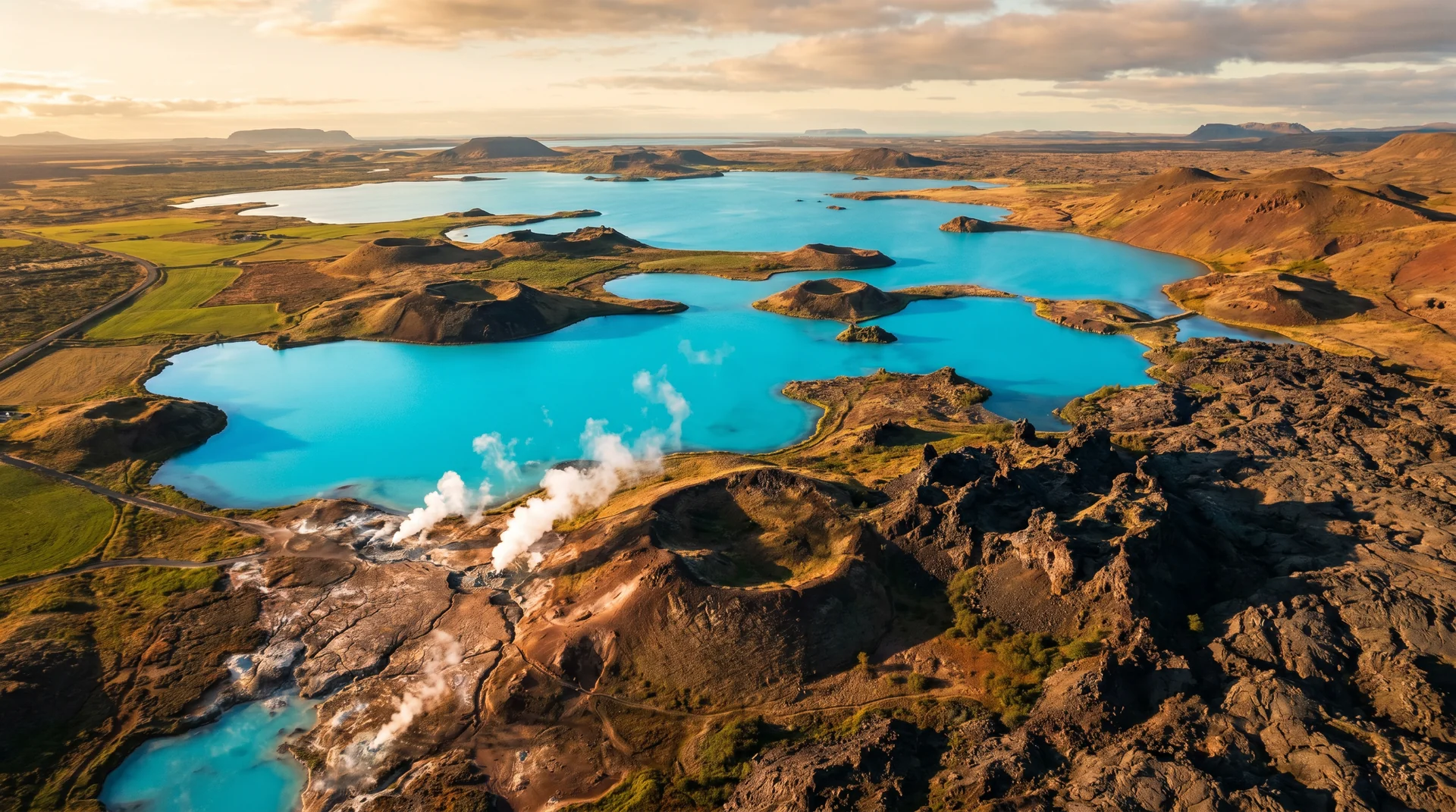
Mývatn
Inland clear skies, almost no light pollution, brutally cold in midwinter.
What can go wrong, plainly stated
Cloud cover decides everything
A perfect aurora forecast means nothing under overcast. Build your week around weather windows, not Kp values.
The naked eye lies
Faint aurora reads as grey to the eye but green to a camera. Take a 5-second exposure before you decide the night is dead.
Wind is the second variable
Standing still in 20 m/s wind at -8°C ends the night fast. Have a warm car within 30 seconds of your tripod.
Moon phase matters less than people think
A bright moon kills faint aurora but lights foregrounds beautifully. Decide what kind of shot you want.
What to actually bring
- ·Tripod (sturdy, not travel-weight)
- ·Wide lens f/2.8 or faster
- ·Spare batteries kept warm in inside pocket
- ·Headlamp with red mode
- ·Thermal base layer
- ·Insulated outer shell rated to -15°C
- ·Gloves with phone-friendly fingertips
- ·Insulated boots — gravel pullouts freeze
- ·Patience for 2-hour quiet waits
- ·Plan B locations within driving distance
- ·Local weather app (Veður) checked hourly
The terrain that makes it possible.
Locations and routes plotted against weather-sensitive zones, dark-sky regions and seasonal access. Tap anything to open it in the Explorer.
Common mistakes — read this first
Booking a 3-night winter trip
Weather windows arrive in clusters. Three nights gives roughly a 35% chance; seven nights gives ~85%.
Chasing the strongest Kp index
A Kp 7 under cloud is a Kp 0. Locals chase cloud breaks first.
Standing in a Reykjavík parking lot
Light pollution eats faint aurora. Drive 30 minutes minimum, ideally an hour.
Trusting one forecast source
Cross-check Vedur (cloud), Aurora Forecast (Kp), and your own eyes.
Conditions, right now
Related experiences