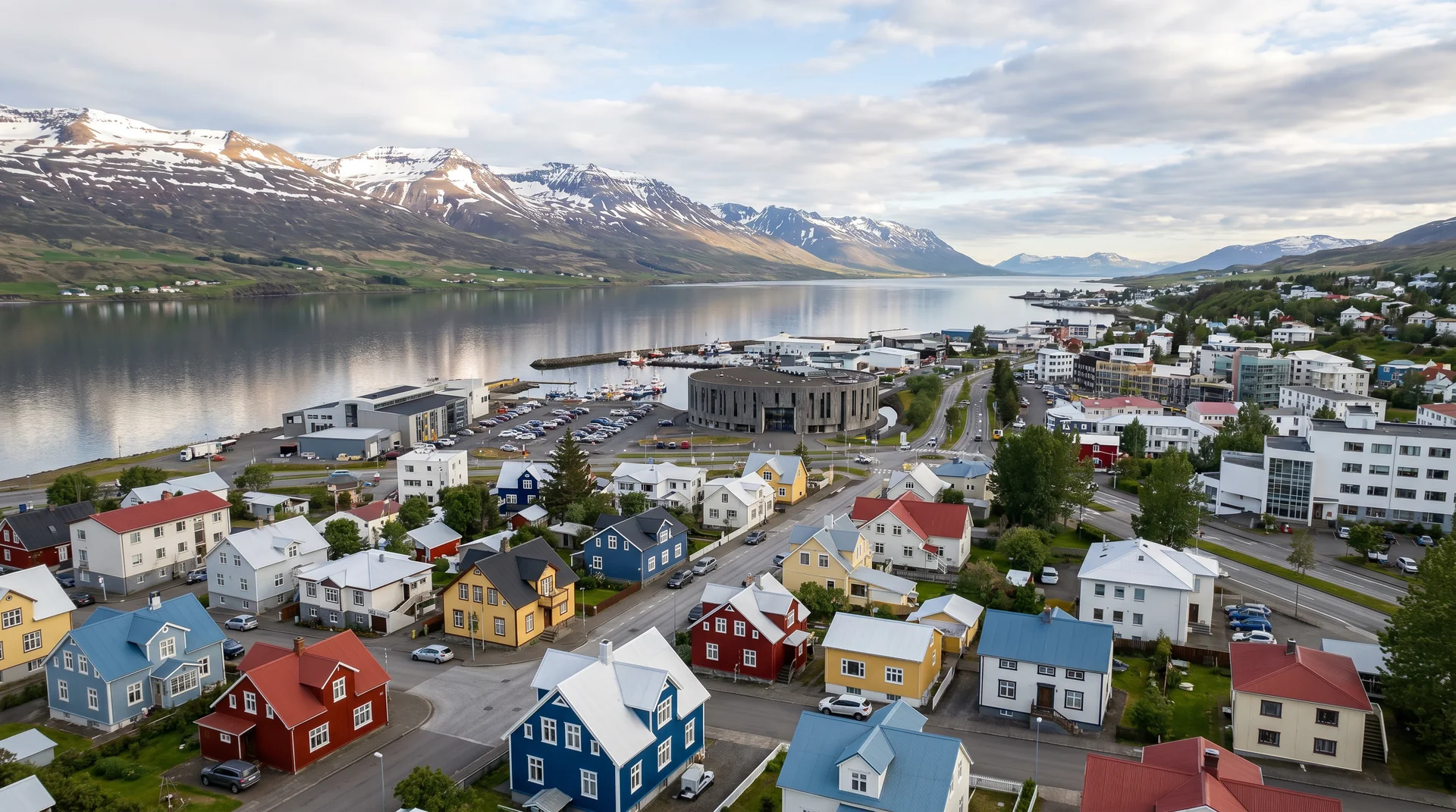
Akureyri
The unofficial capital of the north — 19,000 people, a heart-shaped traffic light, a botanic garden near the Arctic Circle, and the drier microclimate that makes it Iceland's aurora-friendly base.
Why this place matters.
Akureyri sits at the head of Eyjafjörður, 60 km deep and one of Iceland's longest fjords. The mountains around it shelter the town from Atlantic weather — it gets less rain and more sun than Reykjavík, and serious clear-sky aurora nights more often than the south.
Most travelers stop one or two nights as the natural Ring Road midpoint. The downtown is walkable in 20 minutes; the botanic garden (one of the world's northernmost) is worth a slow visit; the geothermal pool is the local-favourite spa. The town also functions as a base for Mývatn (1 hour east), the Diamond Circle, and whale watching from Húsavík.
North · head of Eyjafjörður.
Halfway around the Ring Road from Reykjavík. Domestic flights connect daily from RVK city airport.
Worth visiting — read the fine print.
Honest, not cynical. These are the things returning visitors tell first-timers.
The mountains block Atlantic systems. Aurora-night cloud cover is meaningfully lower in winter — one reason serious chasers base here.
Real. The town painted them after the 2008 crash to lift spirits. Most photographed traffic light in Iceland.
Outdoor geothermal pool with hot pots and slides. Locals' favourite over the new Forest Lagoon. Both work.
New (2022) spa on a forested ridge above the fjord. Less crowded than Blue Lagoon. Pre-book.
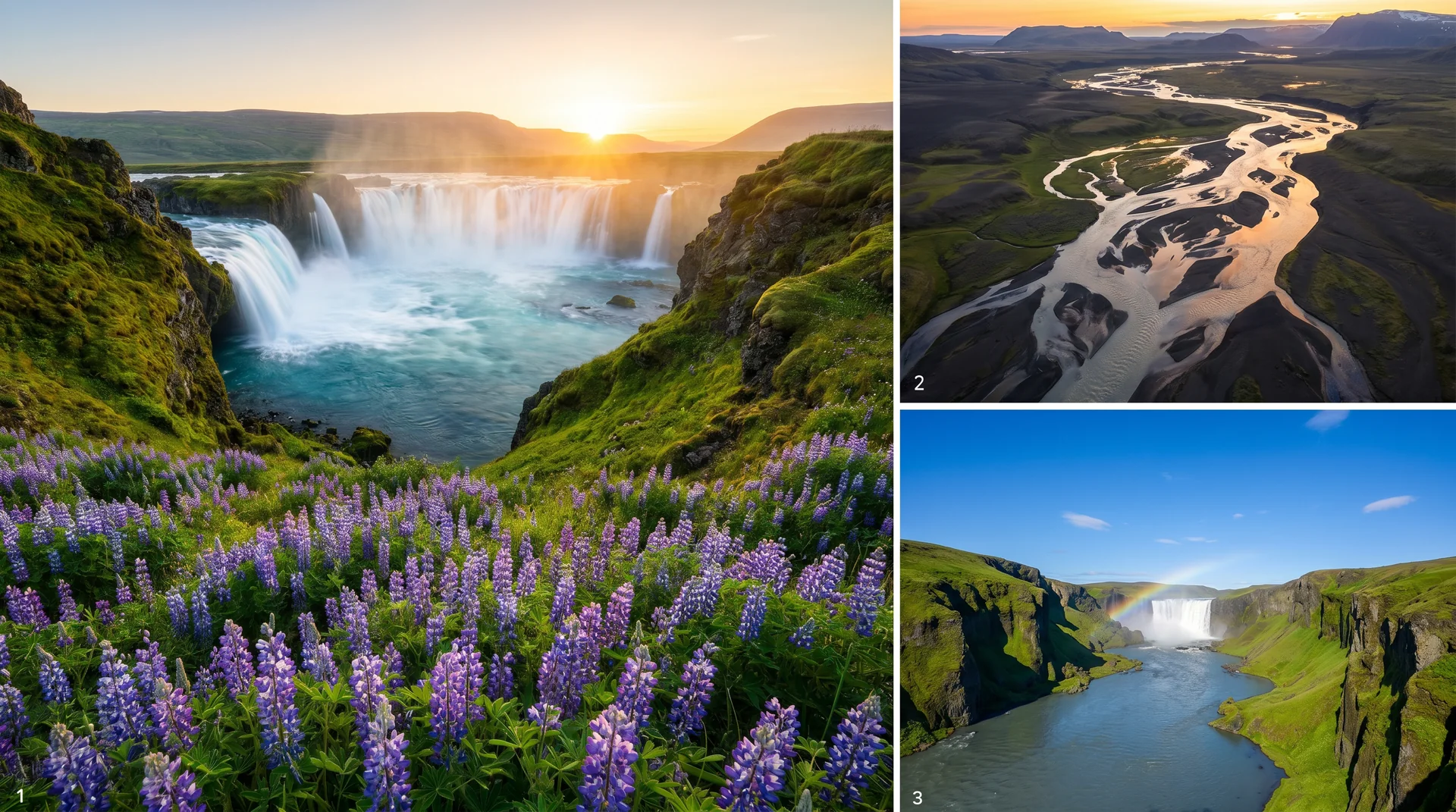
60 km east. Goðafoss en route, Dimmuborgir + Nature Baths as the half-day target. 5–6 hours total.
Northerly winds funnel down Eyjafjörður. Calm forecast can hide gusts at the harbour. Less of a factor downtown.
When the place is itself.
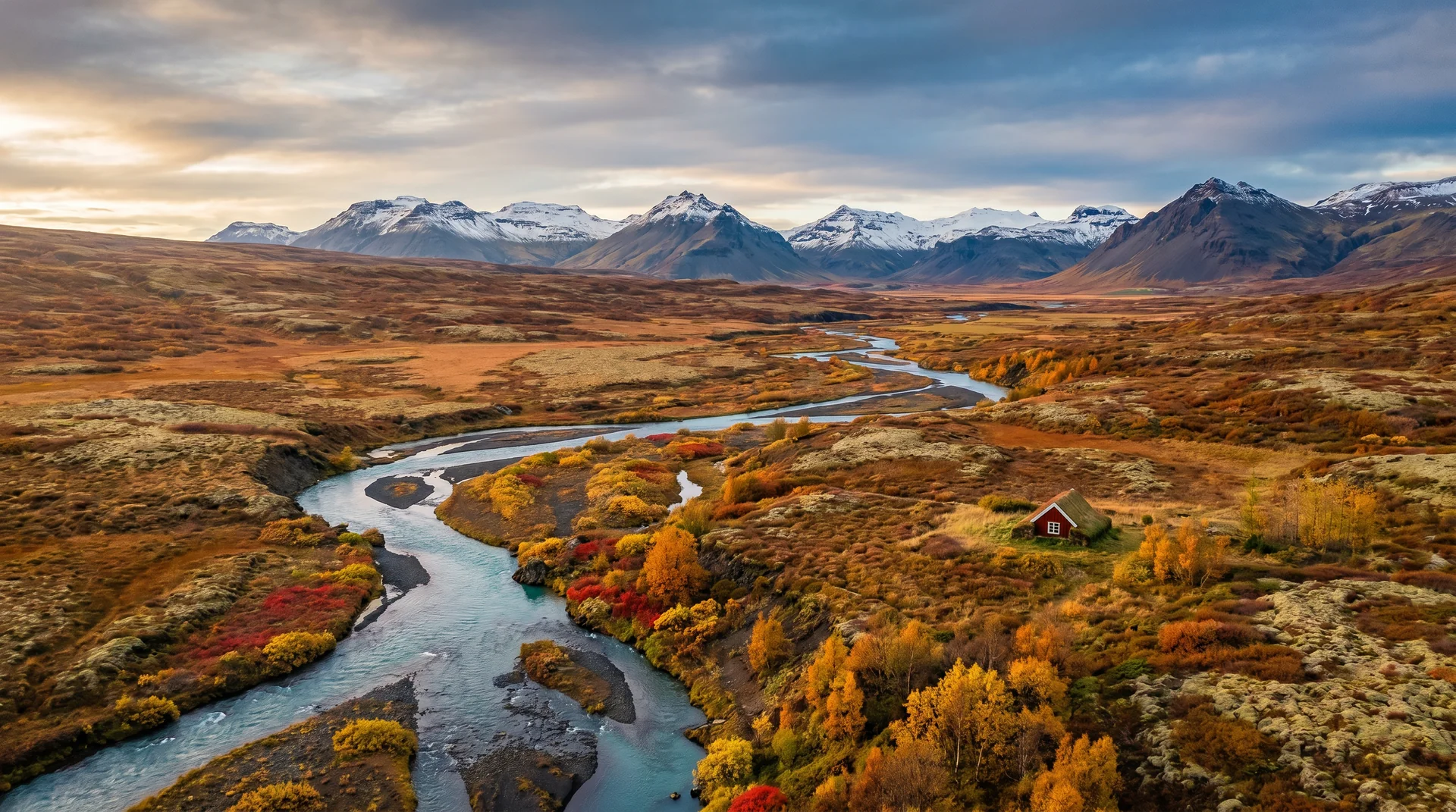
Year-round. Winter is the underrated season — aurora, ski hill above town, drier weather than Reykjavík. Summer brings whale-watching peak and midnight sun.
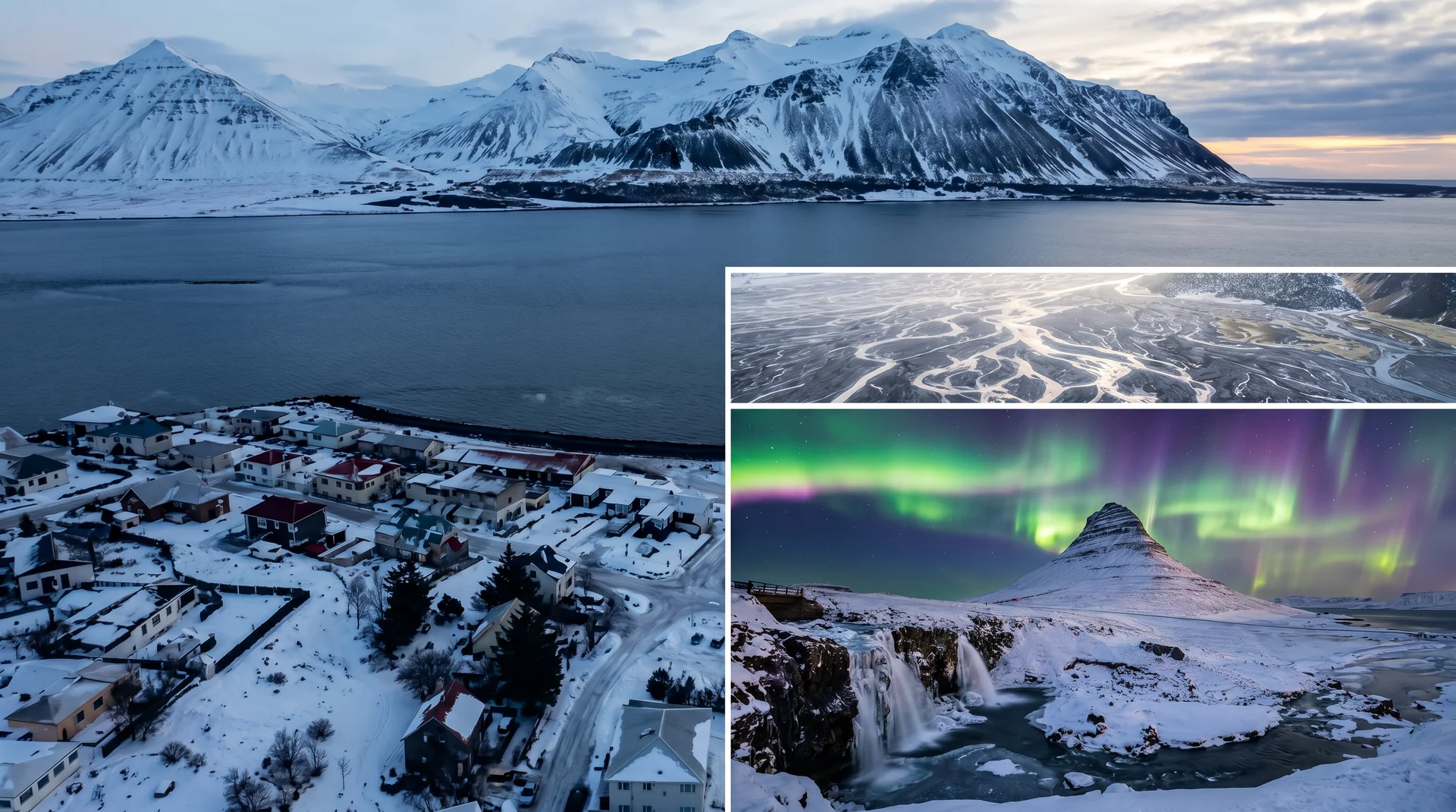
Light, shaped by ice.
Akureyrarkirkja sits on a hill above downtown. Steps up. View south down the fjord, particularly strong at golden hour.
Centre of town. Cliché but real. Strong at night when the colour pops against snow.
Drive 10 min north out of town for darker skies. Composition: fjord water foreground, mountain ridge, arcs.
Northernmost botanic garden. June–August. Surprising density of arctic + sub-arctic plants.
Getting there, calmly.
The place, four ways.
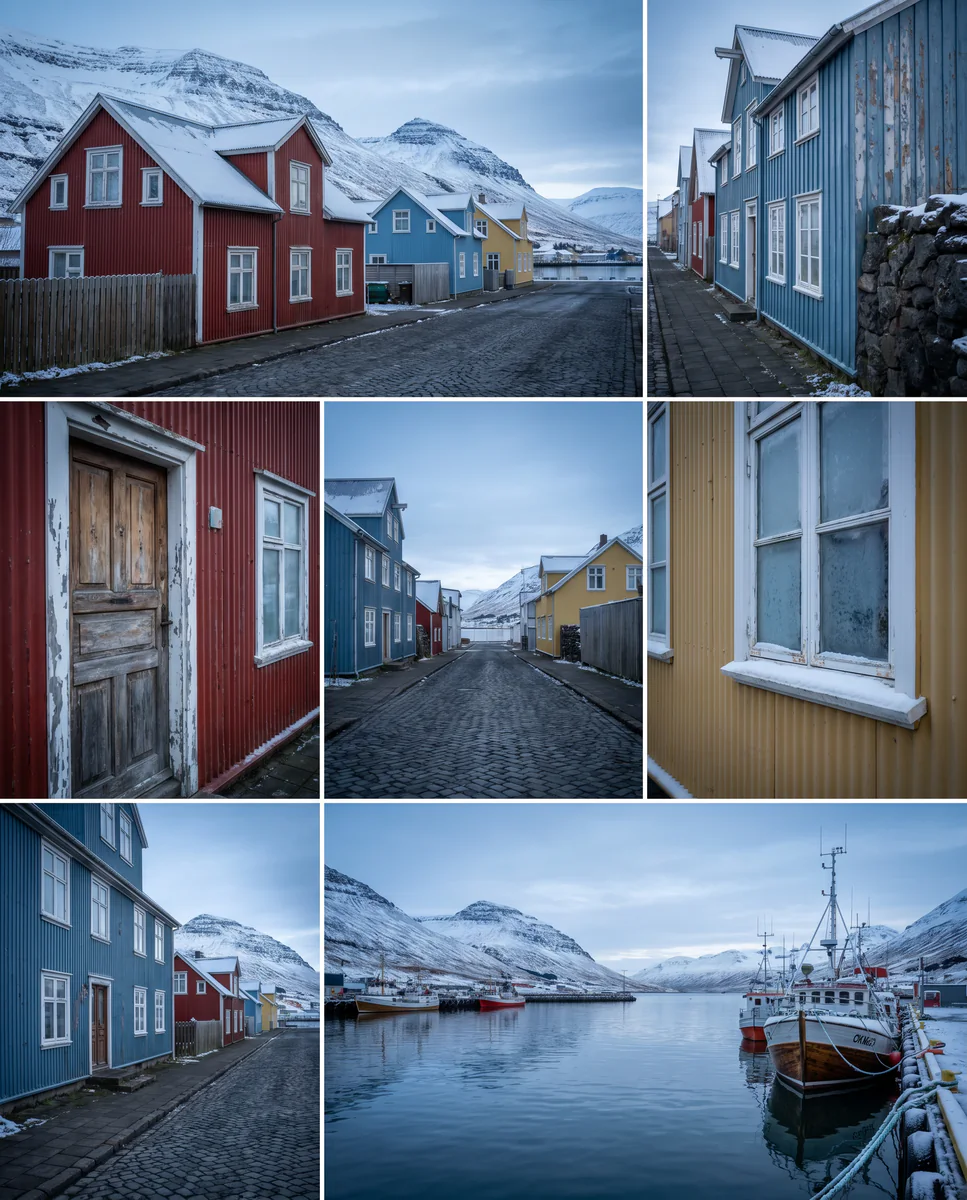
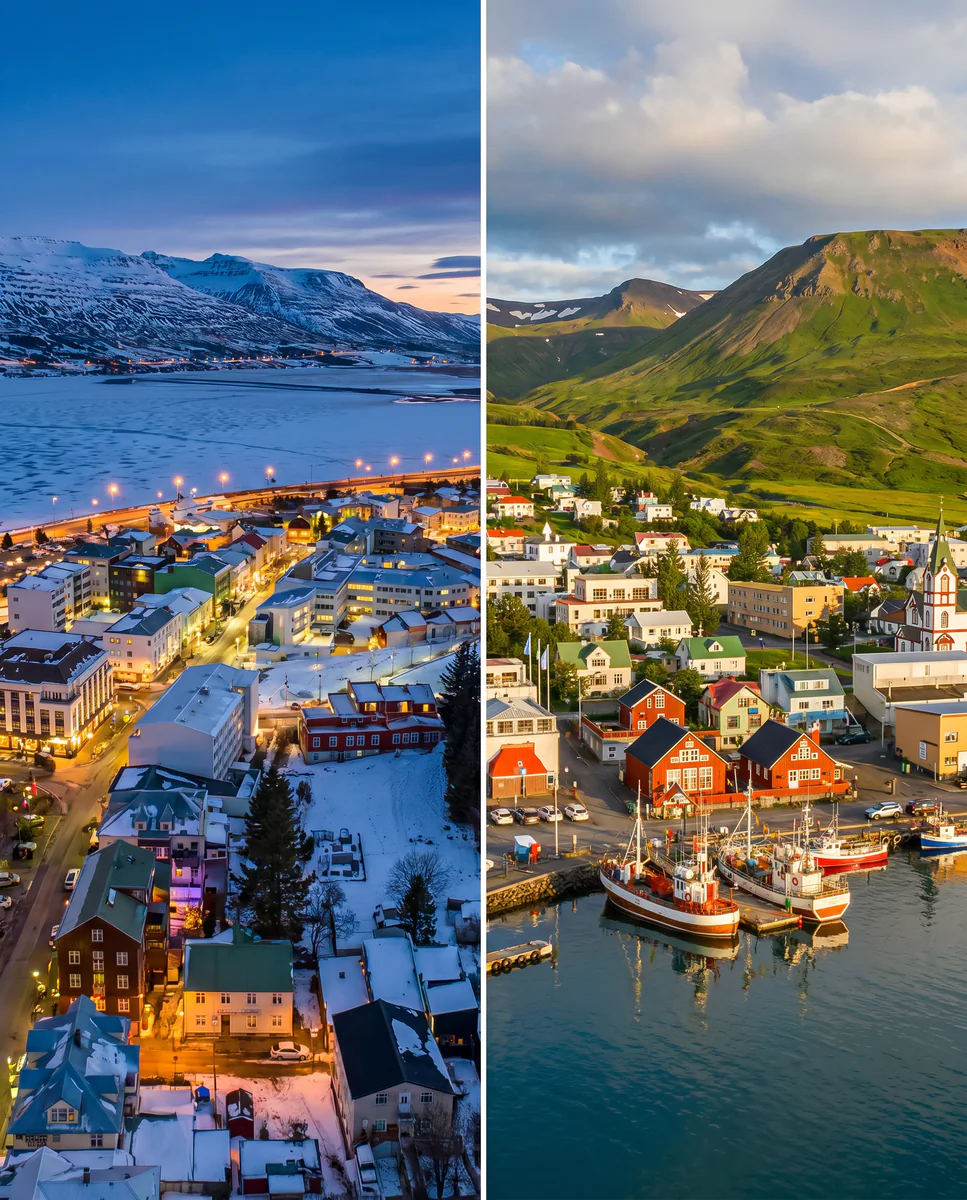
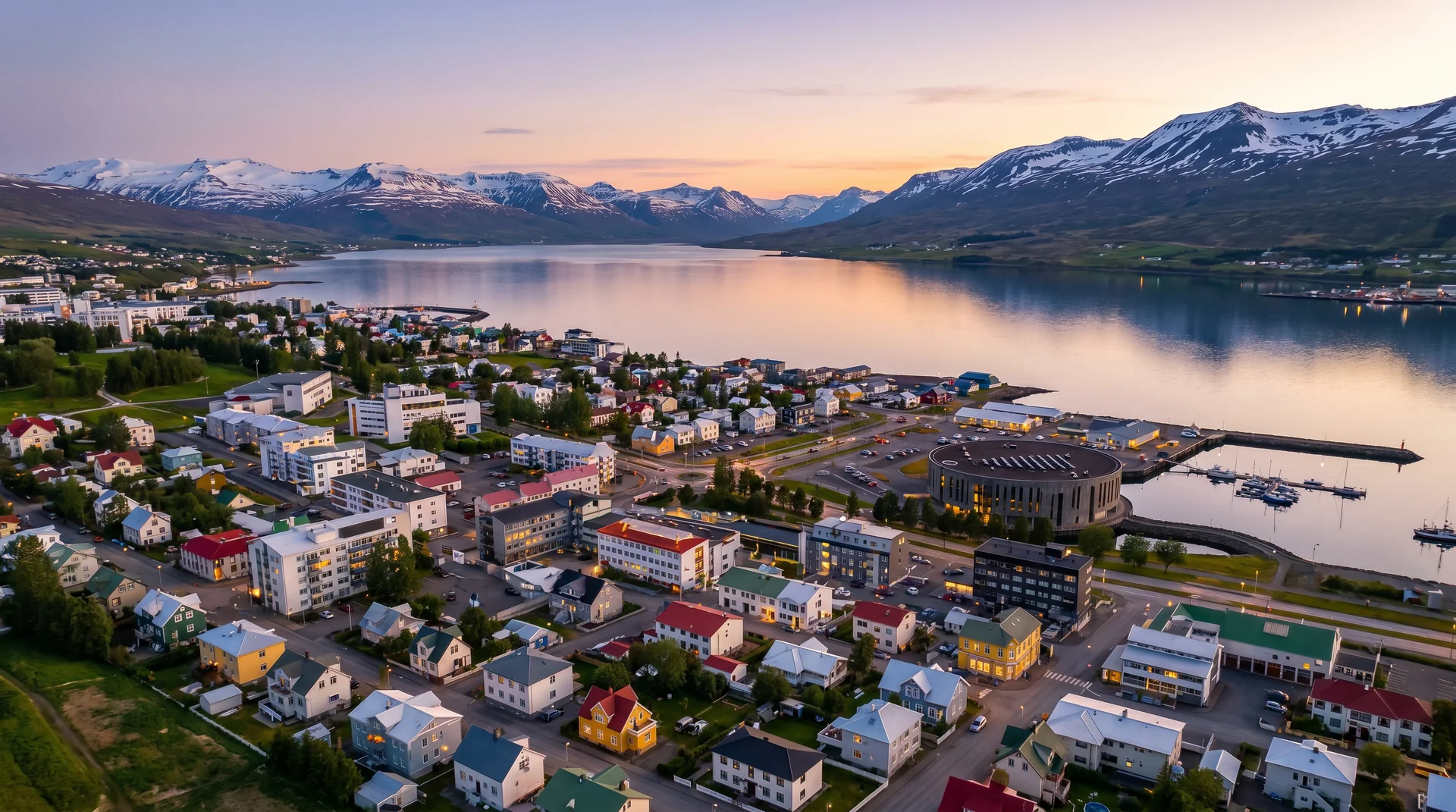
Within an hour.
- GoðafossWaterfall of the Gods
- MývatnGeothermal lake region
- HúsavíkWhale-watching capital
- HjalteyriQuiet fjord village + diving
- Dalvík + HauganesWhale watching · smaller boats
It lives on these routes.
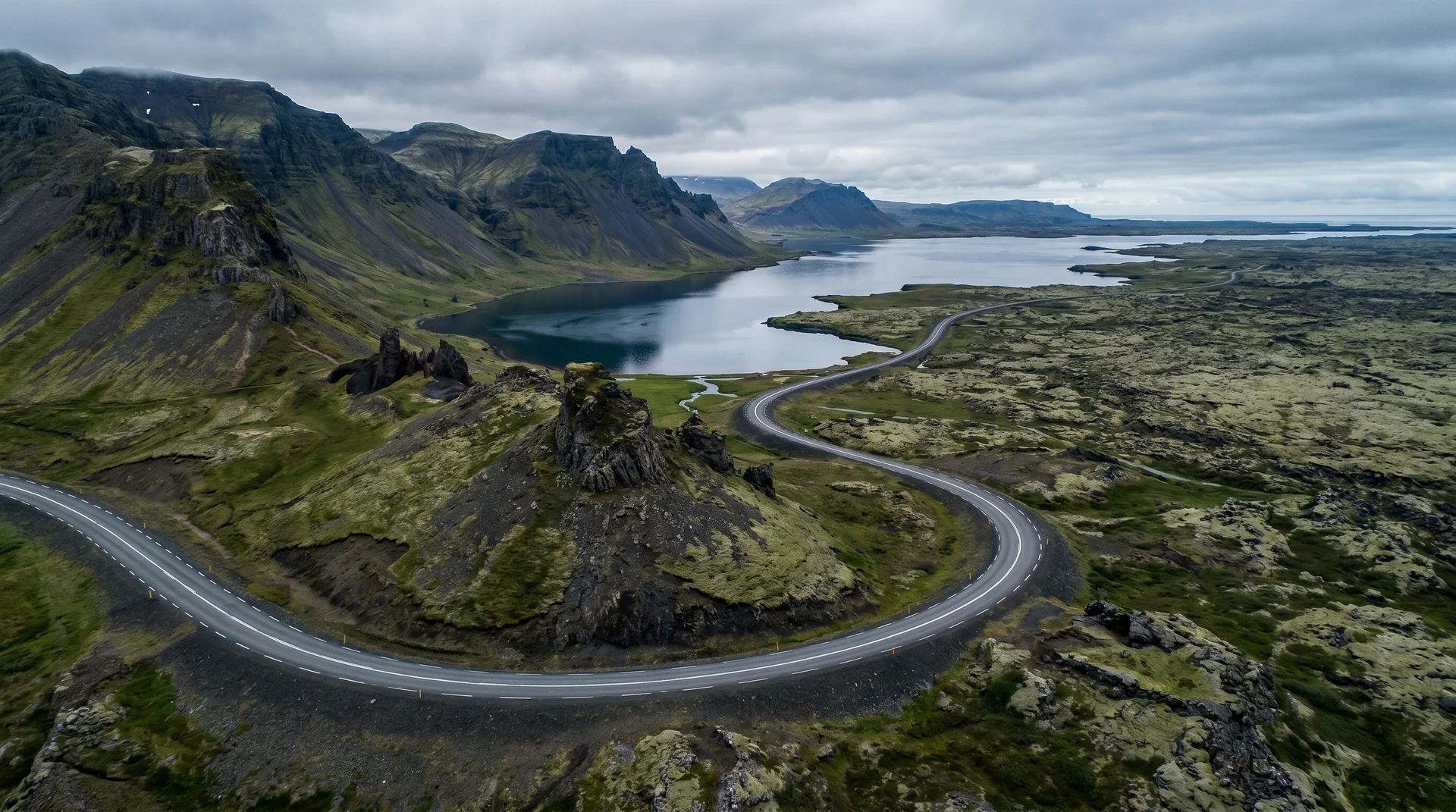
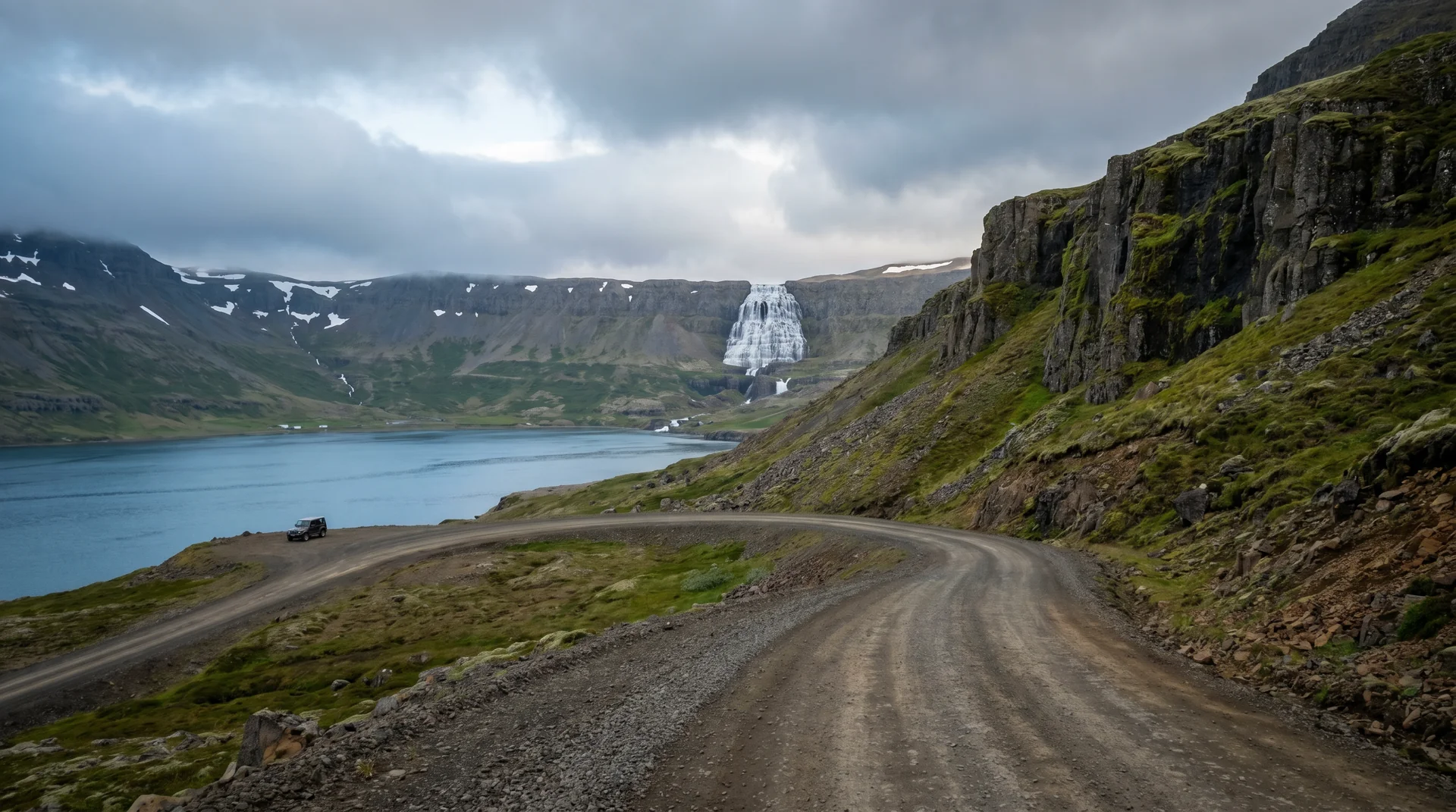
Read this place differently.
What the place is doing right now.
Make Akureyri part of your expedition.
Open it inside the Explorer to see it in context with terrain, season, and conditions — or plan a route that passes through.